


The global cannabis industry is entering a new era, and Africa is no longer watching from the sidelines. From commercial cultivation in Southern Africa to medical cannabis reforms across the continent, governments are increasingly recognizing cannabis as a potential driver of economic growth, job creation and international trade. At the same time, Canada continues to refine one of the world’s most mature legal cannabis markets, creating opportunities for innovation, investment and international collaboration.
Against this backdrop, the Cannabis Africana: Drugs and Development in Africa project has emerged as one of the most significant research initiatives examining the changing role of cannabis in Africa. A partnership between the University of Bristol and the University of Cape Town, the project is supported by the UK’s Economic and Social Research Council (ESRC) and the Arts and Humanities Research Council (AHRC). Through field research in Nigeria, Kenya and South Africa, it explores cannabis as more than a controversial crop, it examines its cultural history, its role in rural and urban livelihoods, and its growing importance in a rapidly evolving global economy.
The timing could not be more relevant.

Across Africa, countries are revisiting decades of prohibition. South Africa has continued to advance reforms following the legalization of private adult cannabis use, while countries including Zimbabwe, Malawi, Zambia, Uganda and Rwanda have established legal pathways for medical cannabis or industrial hemp production. Governments see cannabis as a high-value agricultural commodity that could diversify exports, generate foreign exchange and stimulate rural development.
Yet the Cannabis Africana researchers caution that legalization alone does not guarantee inclusive prosperity. Without policies that prioritize local farmers and traditional cultivators, the legal cannabis industry risks becoming another sector dominated by multinational corporations and large investors, leaving behind the very communities that have cultivated cannabis for generations.
Canada’s experience offers both inspiration and important lessons.
Since becoming the first G7 country to legalize recreational cannabis nationwide in 2018, Canada has developed a sophisticated regulatory framework covering cultivation, retail sales, public health, product safety and scientific research. The industry has created employment, encouraged innovation and generated billions of dollars in economic activity. At the same time, regulators continue to address challenges such as illicit market competition, market consolidation and ensuring that diverse communities can participate in the legal economy.
These are issues that resonate strongly with African policymakers and entrepreneurs seeking to build sustainable cannabis industries on the continent.
For African immigrants and newcomers in Canada, these developments create unique opportunities.
Many immigrants arrive from countries where cannabis remains illegal or heavily stigmatized. Understanding Canada’s legal framework, including personal possession limits, workplace policies, medical cannabis access and retail regulations, is an important part of navigating life in their new home.
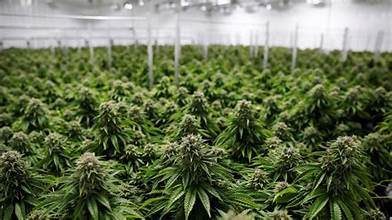
Beyond compliance with the law, Canada’s cannabis sector offers career opportunities that extend far beyond retail sales. African professionals are increasingly contributing as researchers, pharmacists, agricultural scientists, laboratory technicians, compliance specialists, lawyers, logistics experts, technology developers and entrepreneurs. Their knowledge of African markets and cultures positions them to help build bridges between Canadian expertise and Africa’s emerging cannabis economies.
There is also growing potential for collaboration in education, research and investment. Canadian institutions are recognized globally for cannabis science, quality assurance and regulatory systems, while Africa offers ideal growing conditions, deep agricultural knowledge and expanding commercial markets. Responsible partnerships could help ensure that future industry growth benefits local communities, supports sustainable farming practices and respects Indigenous knowledge.
The Cannabis Africana project reminds policymakers that cannabis is more than an export commodity. It is connected to questions of history, land use, public health, rural development, social justice and economic inclusion. Understanding these complexities will be essential as African countries develop regulatory frameworks that balance commercial opportunity with community well-being.
The African diaspora in Canada occupies a unique position between two rapidly changing cannabis landscapes. Whether through entrepreneurship, academic research, healthcare, public policy or international trade, African Canadians have an opportunity to contribute to shaping a cannabis industry that is innovative, ethical and inclusive.
As governments across Africa continue to modernize cannabis laws and Canada’s industry enters its next phase of growth, the conversation is no longer simply about legalization. It is about who benefits, who is included and how cannabis can contribute to sustainable development on both sides of the Atlantic.
The work being done through the Cannabis Africana project provides an important reminder that Africa’s cannabis story is not just about the past. It is increasingly about the future—and that future will be shaped not only on the continent itself but also by the expertise, investment and leadership of Africans and African Canadians around the world.










Leave a Reply