


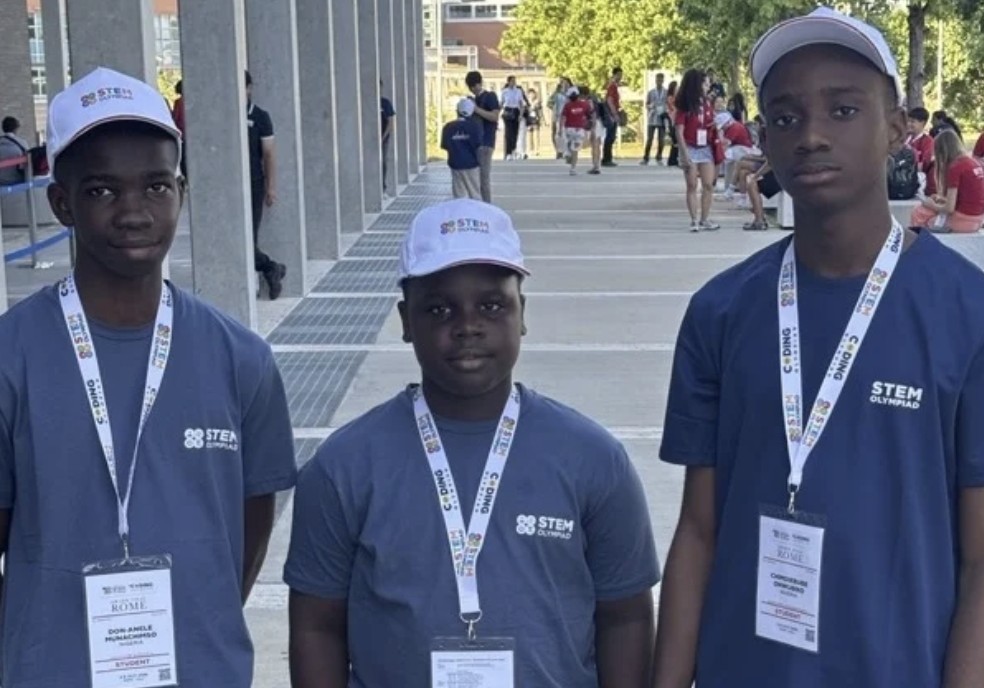
Across Canada and many parts of the world, African children are increasingly distinguishing themselves in classrooms, workplaces, sports, business, technology, and leadership. While individual success stories often make headlines, the deeper foundation behind many of these achievements is rarely discussed: the resilience shaped by African parenting.
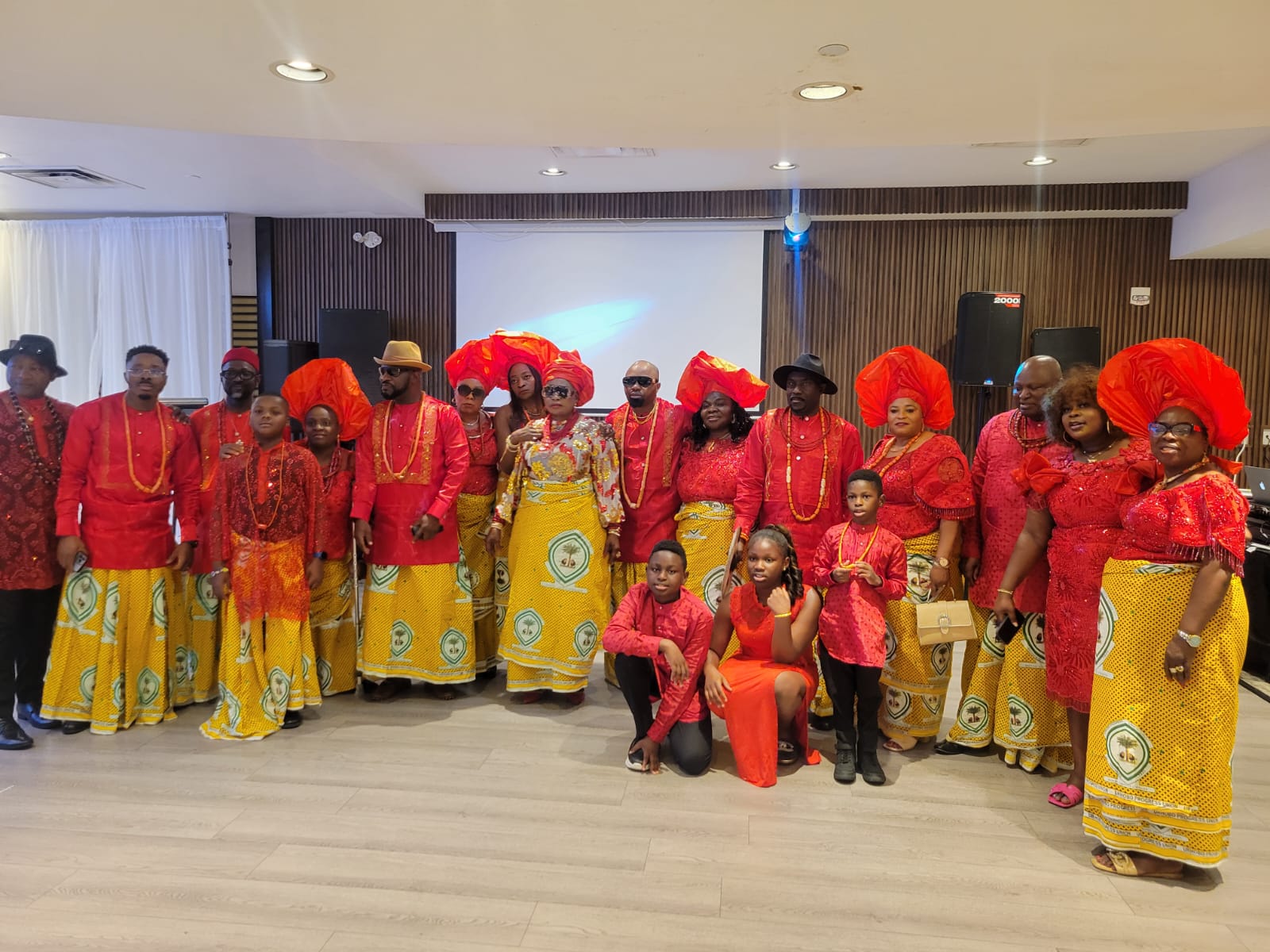
African parenting has long been rooted in values that emphasize discipline, responsibility, respect, perseverance, and collective identity. These values are often passed down not merely through words, but through daily example. Children grow up watching parents work tirelessly, sacrifice comfort for family progress, and endure hardship with determination. These experiences quietly shape strength of character.

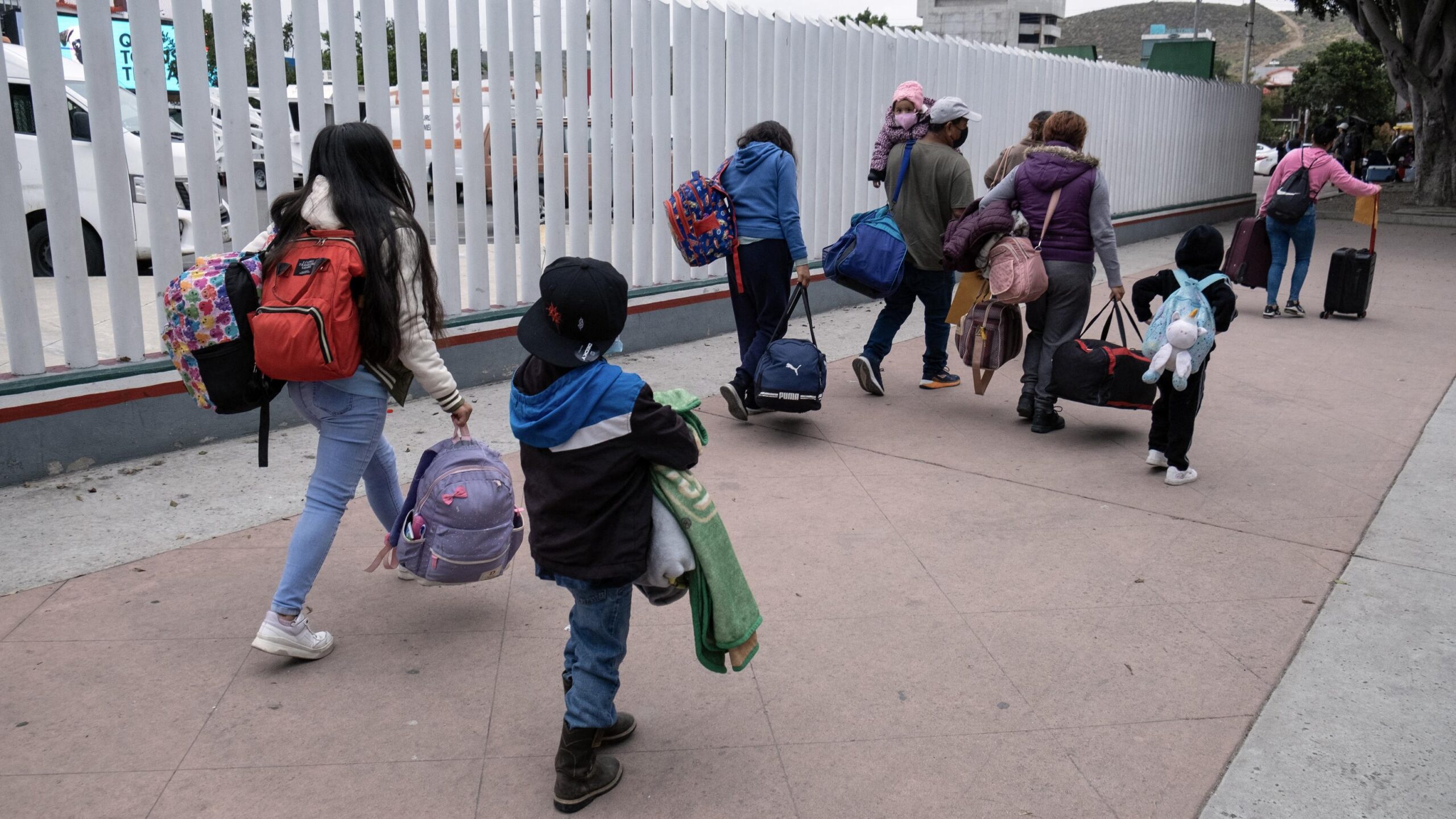
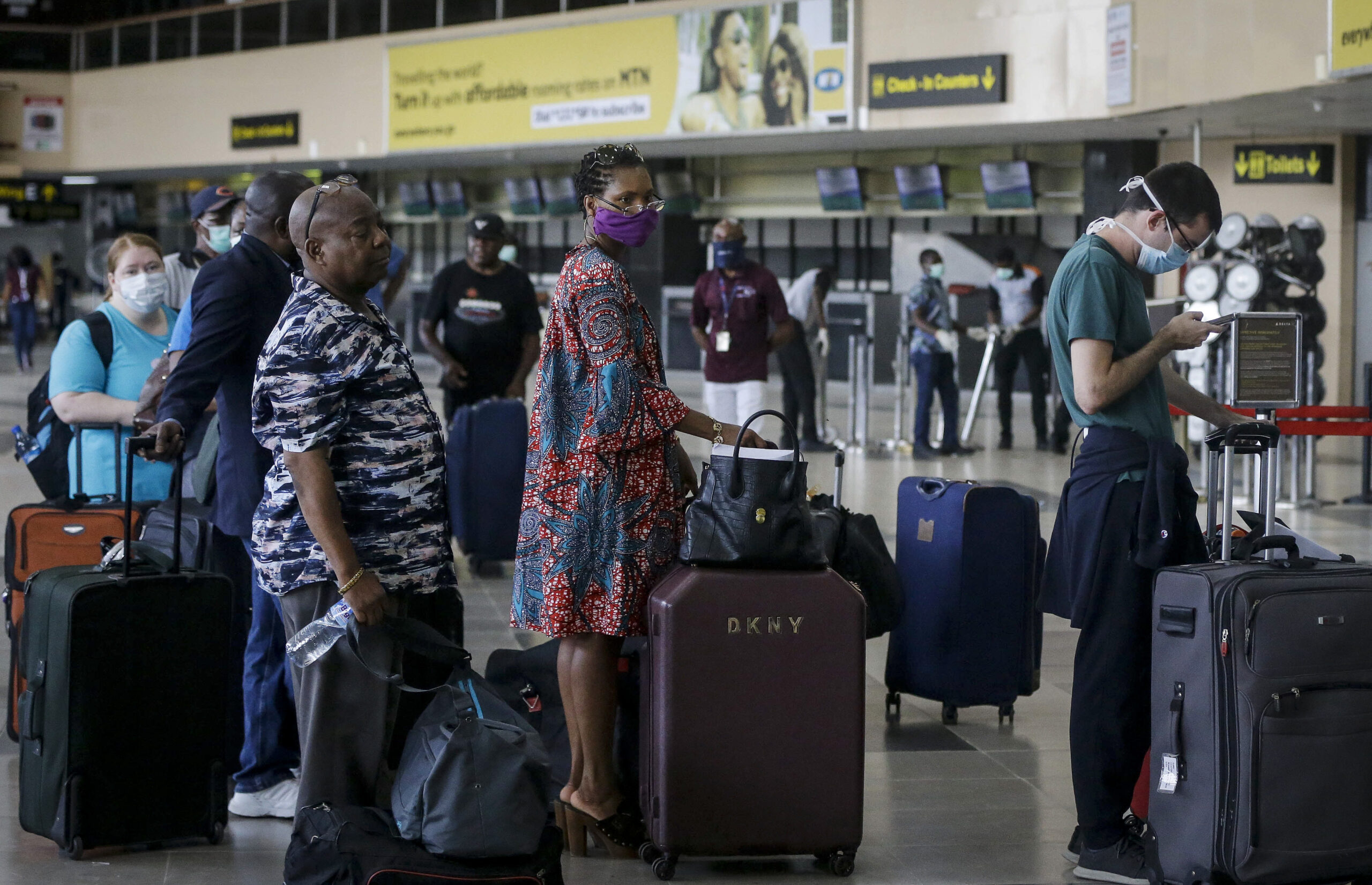
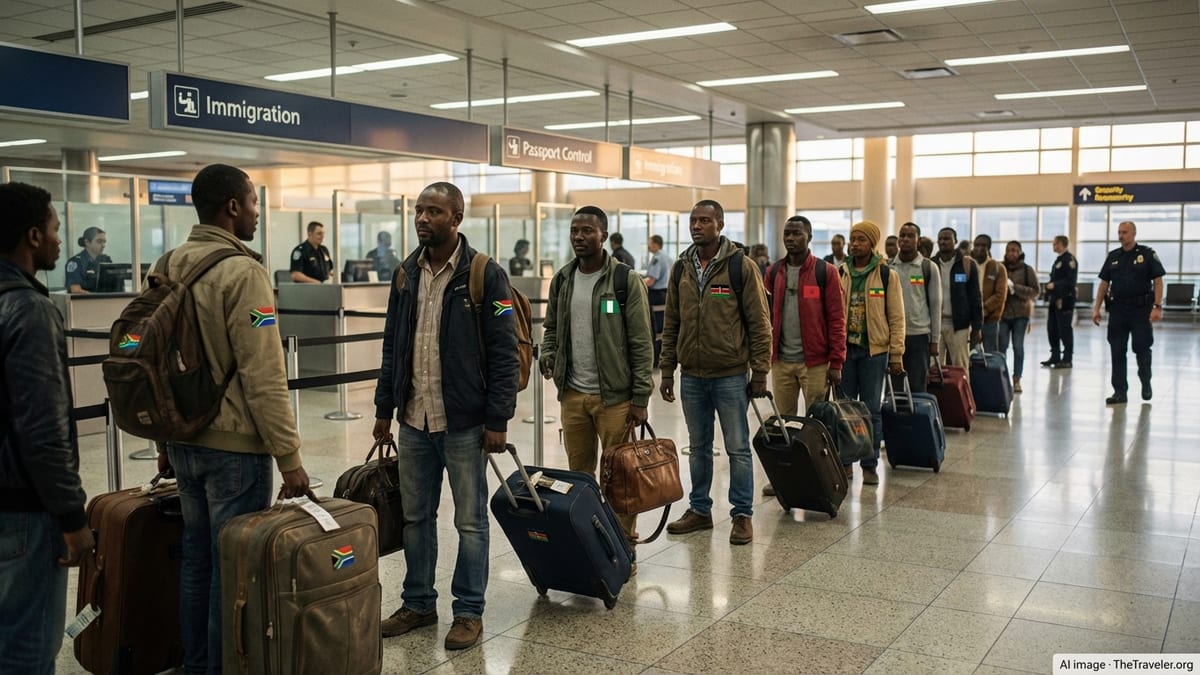
For many African immigrant families in Canada, resilience becomes even more visible. Parents often arrive in unfamiliar systems carrying the heavy responsibility of rebuilding life from scratch while protecting their children from instability. They work long shifts, navigate new cultures, adapt to economic pressures, and still maintain a deep commitment to family structure and education.
Children raised in such environments often witness resilience firsthand.
They see parents studying late into the night to gain Canadian certifications. They watch them accept temporary survival jobs while pursuing long-term goals. They observe sacrifice, adaptability, and patience in action. These life lessons often become more powerful than formal instruction.
Education occupies a central place in many African homes. Across cultures on the continent, academic success is often seen as both personal achievement and family advancement. Parents encourage discipline, focus, and excellence not simply for status, but because education is viewed as a pathway to opportunity and security. This emphasis often produces children who approach challenges seriously and remain determined even when obstacles arise.
Another important element is communal responsibility. African parenting often teaches children that success is never purely individual. Many are raised with the understanding that their achievements should uplift family and community. This creates a mindset of accountability and purpose that often strengthens emotional endurance.

Respect for elders and authority also plays a role. In many African households, children are taught to listen, learn, and value wisdom from older generations. While adaptation to Canadian cultural norms sometimes requires balance, these teachings often foster maturity, patience, and thoughtful decision-making.
Of course, African parenting is not without challenges. Cultural transitions can create tension between traditional expectations and modern Western environments. Some children struggle to balance two identities: African at home and Canadian in public life.
Yet many young Africans are learning to embrace both worlds, combining cultural discipline with Canadian opportunity. In doing so, they often become highly adaptable individuals capable of navigating diverse spaces confidently.
The resilience African parents cultivate is not about perfection. It is about preparing children to withstand setbacks, work with purpose, value community, and keep moving forward despite difficulty.
In today’s uncertain world, resilience may be one of the greatest gifts a parent can give. Across Canada, African families continue to pass that gift from one generation to the next, quietly raising children who are not only equipped to succeed, but prepared to lead.
This resilience is not accidental, it is built through sacrifice, culture, discipline, and love.






Leave a Reply