


Rising Demand for Safer Study Choices in Canada
As Canada continues to attract thousands of international students yearly, immigration experts and education consultants are advising prospective applicants to carry out careful checks before applying to any Designated Learning Institution (DLI), especially schools connected to the Post-Graduation Work Permit (PGWP) pathway.
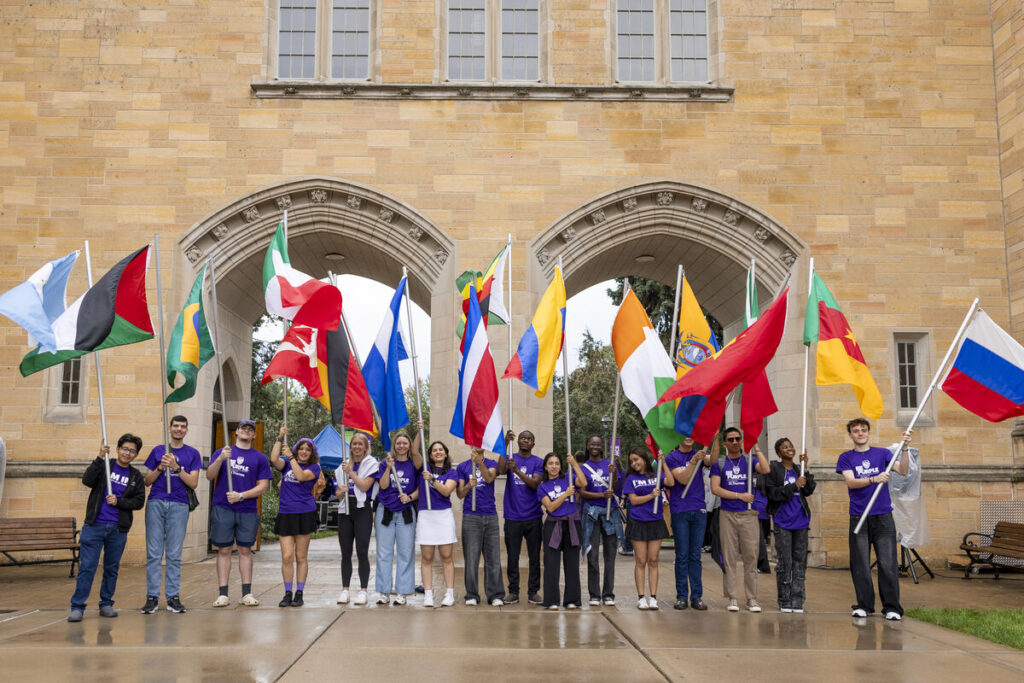
Recent policy changes by the Canadian government have made it more important than ever for students to understand which institutions and programmes qualify for work permits after graduation. For many international students, the PGWP remains one of the most attractive opportunities because it allows graduates to gain Canadian work experience and possibly transition toward permanent residency.
However, not every Canadian school or programme qualifies.
Understanding DLI and PGWP
A Designated Learning Institution (DLI) is a school approved by a provincial or territorial government to host international students. But education experts warn that being a DLI alone does not automatically guarantee eligibility for a Post-Graduation Work Permit.
According to the official Canadian immigration portal, students must ensure both the institution and the programme meet PGWP requirements before paying tuition or submitting applications.
The Canadian government recently tightened some rules around study permits and PGWP eligibility as part of efforts to maintain the integrity of the international education system and reduce exploitation of foreign students.
Key Things Students Must Verify Before Applying

1. Confirm PGWP Eligibility of the Programme
Experts advise students to visit the official Immigration, Refugees and Citizenship Canada website and verify whether their intended programme qualifies for PGWP.
Some private institutions may be DLIs but offer programmes that do not lead to work permit eligibility after graduation.
Students should avoid relying solely on recruitment agents or social media information.
2. Check the School’s Reputation
Before applying, students should investigate:
- Graduation rates
- Student support services
- Housing assistance
- Employment outcomes
- Reviews from current and former students
- Accreditation status
Education analysts say students should be cautious of institutions making unrealistic promises about guaranteed jobs or permanent residency.
3. Understand Provincial Differences
Different Canadian provinces now have varying labour needs and immigration priorities. Some provinces favour graduates in healthcare, technology, skilled trades, agriculture, and early childhood education.
Students are encouraged to align their study choices with sectors experiencing labour shortages in Canada.
4. Review Financial Requirements Carefully
Canada has increased proof-of-funds requirements for international students. Applicants must demonstrate they can cover tuition, accommodation, transportation, and living expenses.
Financial experts warn students against depending on unverified sponsorship arrangements or fake bank documents, as immigration authorities are now carrying out stricter checks.
5. Prepare Genuine Documentation

Students are advised to ensure all documents submitted are authentic, including:
- Academic transcripts
- Admission letters
- Language test results
- Financial statements
- Employment references where applicable
Canadian authorities have intensified investigations into fraudulent admission letters and immigration scams targeting international students.
Immigration Consultants Warn Against Shortcuts
Immigration professionals in Canada say many students unknowingly become victims of misinformation spread online by unauthorized consultants and agents.
Some applicants reportedly pay huge sums believing admission into any Canadian institution automatically guarantees permanent residency. Experts stress that immigration policies change frequently and students must stay informed through official government channels.
They also encourage students to communicate directly with institutions whenever possible.
Mental Health and Settlement Preparation
Beyond academics and immigration matters, prospective students are encouraged to prepare emotionally and socially for life in Canada.
Settlement counsellors recommend that students research:
- Weather conditions
- Healthcare access
- Cost of living
- Public transportation
- Cultural differences
- Employment regulations for students
Many newcomers experience culture shock, financial stress, and housing difficulties during their first year in Canada.
Growing Importance of Informed Decisions
With Canada reviewing parts of its international education system, education stakeholders say informed decision-making has become critical for students hoping to build successful futures in the country.
Experts continue to emphasize that international students should prioritize credible institutions, realistic career pathways, and compliance with Canadian immigration regulations rather than focusing only on quick immigration opportunities.
For many students across Africa and other parts of the world, careful preparation before applying may determine whether their Canadian educational journey becomes a success story or a costly mistake.











Leave a Reply