


The Government of Canada has unveiled a series of proposed reforms designed to modernize the country’s asylum system by accelerating refugee claim processing, providing earlier access to work permits for eligible claimants, strengthening support for vulnerable individuals, and introducing clearer timelines for applications.
The proposed regulations, announced by the federal government on June 19, 2026, form part of the implementation of the Strengthening Canada’s Immigration System and Borders Act (Bill C-12). The reforms are currently open for public consultation before they are expected to come into force later this year.
For thousands of asylum seekers already in Canada and those who may seek protection in the future the changes represent one of the most significant overhauls of Canada’s refugee determination process in recent years.
Faster Decisions Through Clearer Timelines
A major objective of the proposed regulations is to eliminate lengthy delays that have plagued Canada’s refugee determination system. Under the proposed framework, refugee claimants would be expected to submit a complete application, including supporting documentation, within 60 days after initiating their claim. In exceptional circumstances, applicants may request a one-time extension of up to 30 additional days.
The federal government also intends to establish timelines for government officials to review completed applications, helping ensure claims move through the system more efficiently while reducing administrative backlogs. Immigration officials say these measures are intended to provide greater certainty for applicants while improving overall efficiency.
Earlier Access to Work Permits
One of the most welcomed proposals is the plan to allow eligible refugee claimants to obtain open work permits earlier than under the current system. Presently, many asylum seekers must wait until their claim has been formally referred to the refugee tribunal before becoming eligible to apply for a work permit.
The proposed regulations would instead permit eligible claimants to apply for an open work permit once their refugee claim has been determined to be eligible, allowing many newcomers to enter Canada’s labour market sooner and support themselves while awaiting their refugee hearings.
Immigration experts believe earlier employment authorization could reduce financial hardship for refugee claimants while helping address labour shortages across various sectors of the Canadian economy.
Streamlined Application Process
The government is also proposing to simplify the refugee application process. Instead of requiring every supporting document before an application can begin moving through the system, claimants would be able to initiate their claims first and provide additional documentation within the prescribed deadline. Officials say this change will reduce unnecessary delays caused by missing paperwork while maintaining fairness in the determination process.
New Rules for Withdrawn and Reactivated Claims
The proposed regulations also establish clearer procedures governing refugee claims that are withdrawn, abandoned or later reactivated. These provisions are intended to create greater consistency in how such cases are handled while preventing prolonged administrative uncertainty. Government officials say standardized procedures will improve transparency and help reduce unnecessary delays within the refugee system.
Greater Protection for Vulnerable People.
Another important aspect of the proposed reforms focuses on protecting vulnerable refugee claimants. The regulations would permanently maintain certain protections already introduced through temporary public policies, including measures benefiting vulnerable applicants and unaccompanied minors. Canadian officials say the reforms seek to ensure that people requiring additional protection continue to receive fair treatment throughout the refugee determination process.
Stricter Requirements Accompany Faster Processing.
While the proposed regulations promise faster decisions and earlier work authorization, they also introduce stricter procedural requirements. Applicants will be expected to meet clearly defined deadlines for submitting documents and responding to requests from immigration authorities. Failure to comply could result in abandonment proceedings or other procedural consequences under the refugee system. The reforms therefore place greater responsibility on claimants to ensure their applications are complete and submitted on time.
Public Consultation Underway
The proposed regulations have been published for a 30-day public consultation period, during which immigration lawyers, refugee advocacy organizations, settlement agencies, and members of the public can provide feedback. Following the consultation, the federal government will review submissions before finalizing the regulations, with implementation anticipated later in 2026.
What This Means for African Refugees and Newcomers
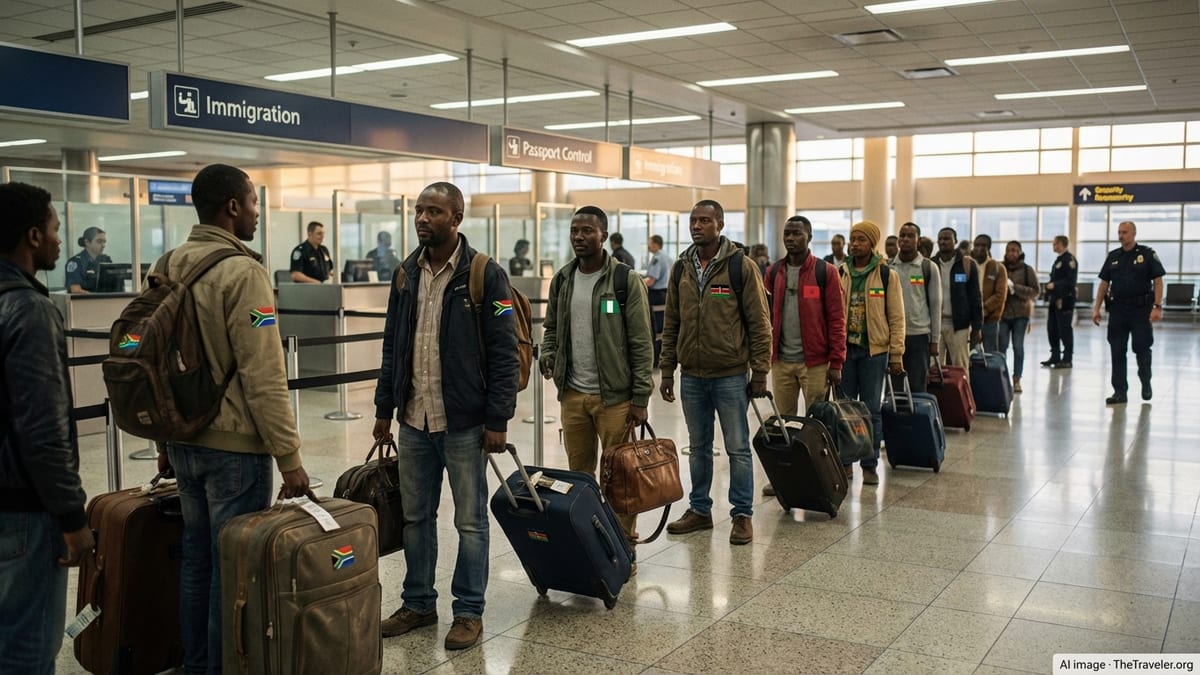
For many African asylum seekers including individuals fleeing political persecution, armed conflict, religious violence, or human rights abuses the proposed reforms could significantly reduce waiting times for work authorization and provide greater certainty during the refugee process. However, immigration professionals caution that faster processing will also require applicants to be more diligent in meeting deadlines, preparing strong documentation, and responding promptly to requests from immigration authorities.
Legal experts continue to encourage refugee claimants to seek qualified legal representation or accredited immigration advice to ensure they fully understand the evolving requirements under Canada’s changing asylum system.
As Canada continues balancing humanitarian protection with efficient immigration management, these proposed reforms signal the federal government’s intention to create a refugee system that is both faster and more structured, while maintaining Canada’s long-standing commitment to protecting those fleeing persecution.









Leave a Reply