

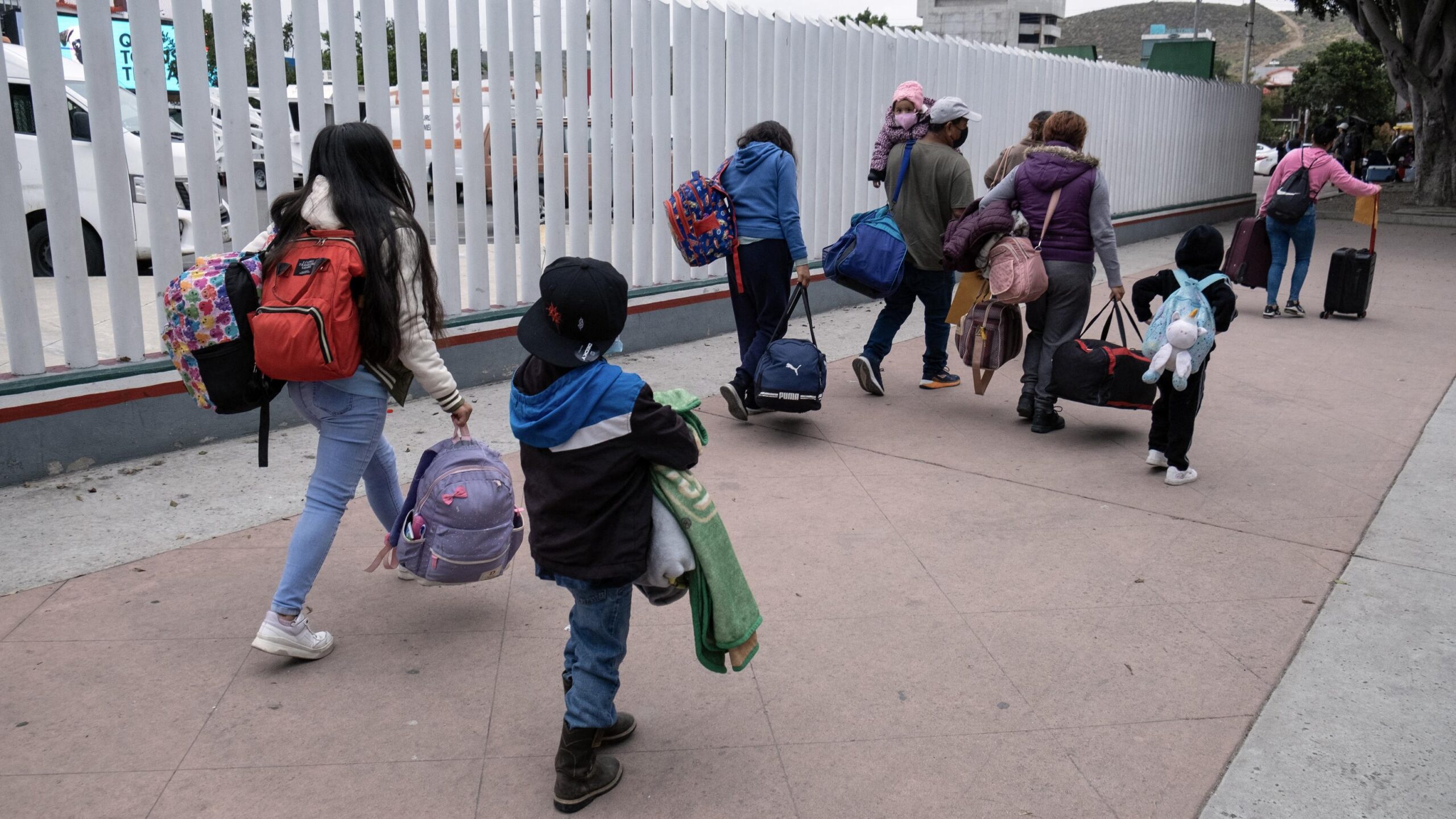
For thousands of Africans, Canada represents hope.
It is viewed as a land of opportunity where hard work is rewarded, children receive quality education, healthcare is accessible, and diversity is celebrated. Every year, thousands leave countries such as Nigeria, Ghana, Cameroon, Uganda, Kenya, Zimbabwe, Ethiopia and several others with dreams of beginning a new chapter in one of the world’s most immigrant-friendly nations.
Yet, beneath those dreams lies a reality that many prospective immigrants do not fully understand until they arrive at a Canadian airport. One of the fastest-growing misconceptions in recent years is the belief that obtaining a Canadian visitor visa automatically opens the door to permanent residence through an asylum claim.
Immigration experts say that assumption has led many families into years of uncertainty, emotional stress and financial hardship. Canada indeed provides protection to people fleeing persecution and serious human rights abuses. However, refugee protection is a humanitarian program, not an alternative immigration pathway for people whose primary motivation is economic opportunity. Understanding that distinction could save prospective migrants from making one of the biggest mistakes of their lives.
The Myth Behind the “Visitor Visa to Refugee” Route
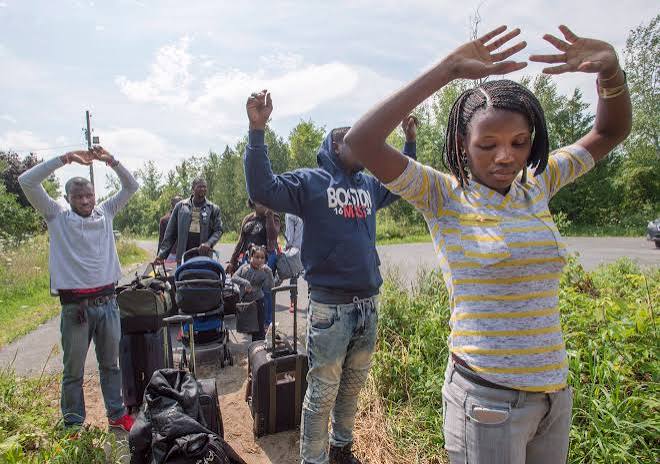
Across parts of Africa, stories circulate almost daily. Someone knows a friend who travelled to Canada on a visitor visa and is now working. Another claims an uncle sought asylum and now owns a house. Social media influencers post videos describing asylum as an “easy route” to Canadian permanent residence. Immigration agents, some licensed, many not, sometimes promote the impression that once a visitor lands in Canada, claiming asylum guarantees legal status. That narrative is incomplete and often misleading. Canadian immigration authorities assess every refugee claim individually. There is no automatic approval, and no one can guarantee a successful outcome.
Understanding Canada’s Refugee Protection System
Canada’s refugee system exists to protect individuals who cannot safely return to their home country because of a well-founded fear of persecution based on reasons recognized in law, or because they face risks such as torture or threats to life. The system is rooted in humanitarian obligations under international refugee law. Each claimant must demonstrate why returning home would expose them to serious danger.
The burden of proof rests with the claimant.
Every application is examined on its own facts, supported by evidence and assessed independently. Economic hardship, unemployment, inflation, poor infrastructure or the desire for a better future, while genuine challenges, do not automatically qualify someone for refugee protection.
What Happens After Filing an Asylum Claim?
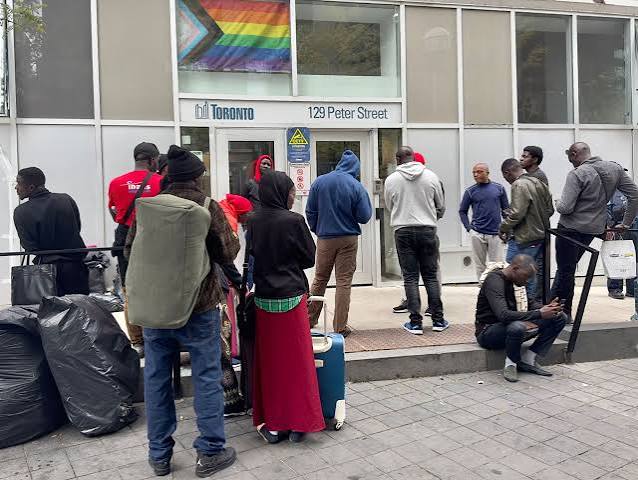
Many people imagine that life immediately becomes easier after making a refugee claim. The reality is considerably more complex. The process usually involves eligibility screening, detailed forms, collection of supporting evidence, security and background checks, medical examinations and, in many cases, a hearing before the Immigration and Refugee Board of Canada. Applicants often spend months, and sometimes years, waiting for a final decision. During that period, they may experience uncertainty about their future while trying to establish a new life. Although many refugee claimants obtain work authorization during the process, building financial stability can still be difficult, especially in cities where housing costs are high.
The Emotional Cost Many Families Never Anticipate
Perhaps the greatest challenge is not financial but emotional. Imagine arriving in a new country expecting certainty, only to discover that your future depends on legal proceedings that may take considerable time. Parents worry about their children’s future. Couples struggle with financial pressure. Professionals who held respected positions in their home countries often begin again in entry-level jobs while awaiting decisions. Many also carry the emotional burden of separation from extended family members left behind. Mental health professionals working with newcomers have long noted that prolonged uncertainty can significantly affect emotional wellbeing.
Misinformation Has Become a Serious Problem
Community leaders across Canada continue to express concern about misinformation circulating online. Videos promising “guaranteed asylum.” Individuals advertising “100 percent approval.” Self-proclaimed immigration advisers charging thousands of dollars while making unrealistic promises. Such claims create false expectations.
Canadian authorities repeatedly warn that no consultant, lawyer or representative can promise a successful refugee claim. Every application depends entirely on its own facts and evidence. Genuine Refugees Still Need Canada’s Protection. While myths deserve correction, it is equally important to recognize another reality. Thousands of people around the world genuinely require refugee protection. Many have survived armed conflict, political persecution, religious oppression, gender-based violence, imprisonment or threats to their lives. Canada continues to offer protection to people who meet the legal requirements. Their stories remind the world why refugee protection exists. For those individuals, Canada’s asylum system remains an essential humanitarian safeguard.
Better Planning Can Prevent Future Regret

Migration experts encourage prospective immigrants to research Canada’s immigration options thoroughly before travelling. Canada offers several lawful immigration pathways, including economic immigration programs, provincial nominee programs, family sponsorship, study permits and employer-supported work permits. Choosing the pathway that best matches one’s circumstances is often more predictable than relying on assumptions about refugee protection.
Questions Every Prospective Traveller Should Ask
Before booking a flight to Canada, prospective migrants should honestly ask themselves:
- Am I travelling because I genuinely fear persecution, or because I want better economic opportunities?
- Have I researched Canada’s official immigration programs?
- Am I relying on verified information or on rumours from social media?
- Have I spoken with a licensed immigration professional instead of an unverified adviser?
- Am I prepared for the possibility that an asylum claim may not succeed?
The answers to these questions could shape not only the success of a migration journey but also the future of an entire family. Canada Remains a Land of Opportunity, But Also a Nation Governed by Law. Canada continues to welcome newcomers from around the world. Its multicultural society has benefited enormously from immigrants who contribute their talents, skills and cultures.
However, Canada also operates one of the world’s most structured immigration systems. Its refugee program is intended to protect those who genuinely need safety, not to replace regular immigration pathways. Prospective immigrants should therefore make decisions based on facts rather than assumptions.
A plane ticket can take someone to Canada. Only accurate information, careful planning and respect for Canada’s immigration laws can help them build a lasting future once they arrive.
This article is intended for public education. It should not be interpreted as legal advice or as discouraging individuals with genuine protection needs from seeking asylum. Readers considering immigration or refugee protection are encouraged to consult official Government of Canada resources or licensed Canadian immigration professionals before making life-changing decisions.








Leave a Reply