

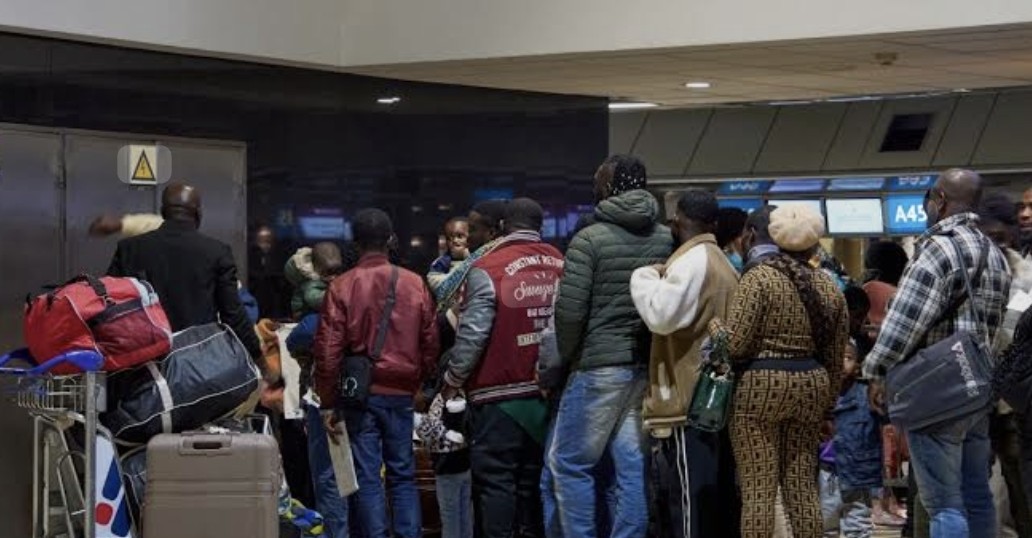
As global airlines embrace artificial intelligence and digital baggage tracking, Africa continues to record the world’s highest baggage mishandling rate, affecting thousands of travellers, including African immigrants travelling to and from Canada.
As thousands of African immigrants in Canada travel home each year to reconnect with family, attend weddings, funerals, business meetings and cultural celebrations, many continue to share a common frustration: delayed, damaged or missing luggage.
A new aviation report has revealed that Africa recorded the highest baggage mishandling rate in the world in 2025, highlighting a challenge that continues to affect passengers travelling between Canada and several African destinations.
According to SITA’s 2025 Baggage IT Insights Report, African airports handled an average of 12.1 mishandled bags per 1,000 passengers, more than double the global average of 4.9 bags per 1,000 passengers. The findings come despite significant improvements in global baggage management driven by artificial intelligence (AI), automation and digital tracking technologies.
The report shows that airlines worldwide transported about five billion passengers in 2025, yet achieved their strongest baggage performance in nearly two decades. Globally, the baggage mishandling rate declined by 23 per cent, with approximately 24 million bags affected, an improvement largely credited to increased investment in smart airport systems, automated baggage handling and real-time tracking technology.
For many African immigrants living in Canada, however, the statistics reflect familiar travel experiences.
Whether travelling from Toronto, Montréal, Calgary or Vancouver to destinations such as Lagos, Accra, Nairobi, Addis Ababa or Johannesburg, many passengers report anxiety about whether their luggage will arrive with them, particularly on journeys involving multiple connecting flights.
For newcomers, lost or delayed baggage can have consequences that extend beyond inconvenience. Many travel with important personal belongings, cultural clothing, family gifts, children’s necessities and documents that are difficult or expensive to replace. Delays can create financial hardship and emotional stress, especially for families already managing the challenges of settling into a new country.
Industry experts note that baggage transfers remain one of the weakest links in international air travel. When passengers connect through multiple airports and travel on different airlines, the likelihood of baggage mishandling increases, particularly where airport technology and baggage tracking systems are not fully integrated.
SITA attributes many of Africa’s baggage challenges to expanding passenger traffic, uneven investment in airport infrastructure and the limited adoption of modern digital baggage management systems across some airports.
Nicole Hogg, SITA’s Portfolio Director for Baggage, said passenger expectations have changed significantly in recent years.
“Baggage is shifting from a logistical problem to a digital service. Passengers expect to know where their bag is throughout their journey.”
The report identifies several innovations that could help African airports improve performance, including end-to-end baggage tracking, biometric self-service bag drop, artificial intelligence, automated sorting systems and stronger data sharing among airlines, airports and ground handling companies.
Artificial intelligence is already transforming baggage operations in many parts of the world by helping airlines predict disruptions before they occur, optimise baggage routing and speed up the recovery of delayed luggage.
SITA also highlighted the growing success of digital baggage tracking technologies, including the integration of Apple’s Find My network with the company’s WorldTracer platform, which has improved baggage recovery times and reduced the number of permanently lost bags.
The financial cost of baggage mishandling remains substantial. According to the report, baggage disruptions cost the global airline industry an estimated US$6.3 billion in 2025, with each mishandled bag costing airlines an average of US$260 in tracing, rerouting, delivery and passenger compensation.
Aviation analysts believe African airlines can significantly improve performance by expanding the implementation of the International Air Transport Association (IATA) Resolution 753, which requires airlines to track baggage at key stages of every passenger’s journey. The standard is designed to improve accountability and make misplaced luggage easier to locate.
For African immigrants in Canada, the report reinforces the importance of choosing airlines with robust baggage tracking systems, attaching electronic tracking devices where permitted, keeping valuables in carry-on luggage and ensuring baggage tags are correctly issued before departure.
As air travel between Canada and Africa continues to grow. driven by immigration, tourism, education and business, experts say improving baggage management will become increasingly important.
Reliable baggage services are no longer viewed as a luxury but as an essential part of the travel experience. For many African families travelling between two continents, ensuring that both passengers and their belongings arrive safely is fundamental to building confidence in international air travel.
With continued investment in connected airport systems, artificial intelligence and digital innovation, industry observers believe Africa has an opportunity to narrow the performance gap, strengthen passenger confidence and enhance the travel experience for millions of Africans at home and across the diaspora.










Leave a Reply