

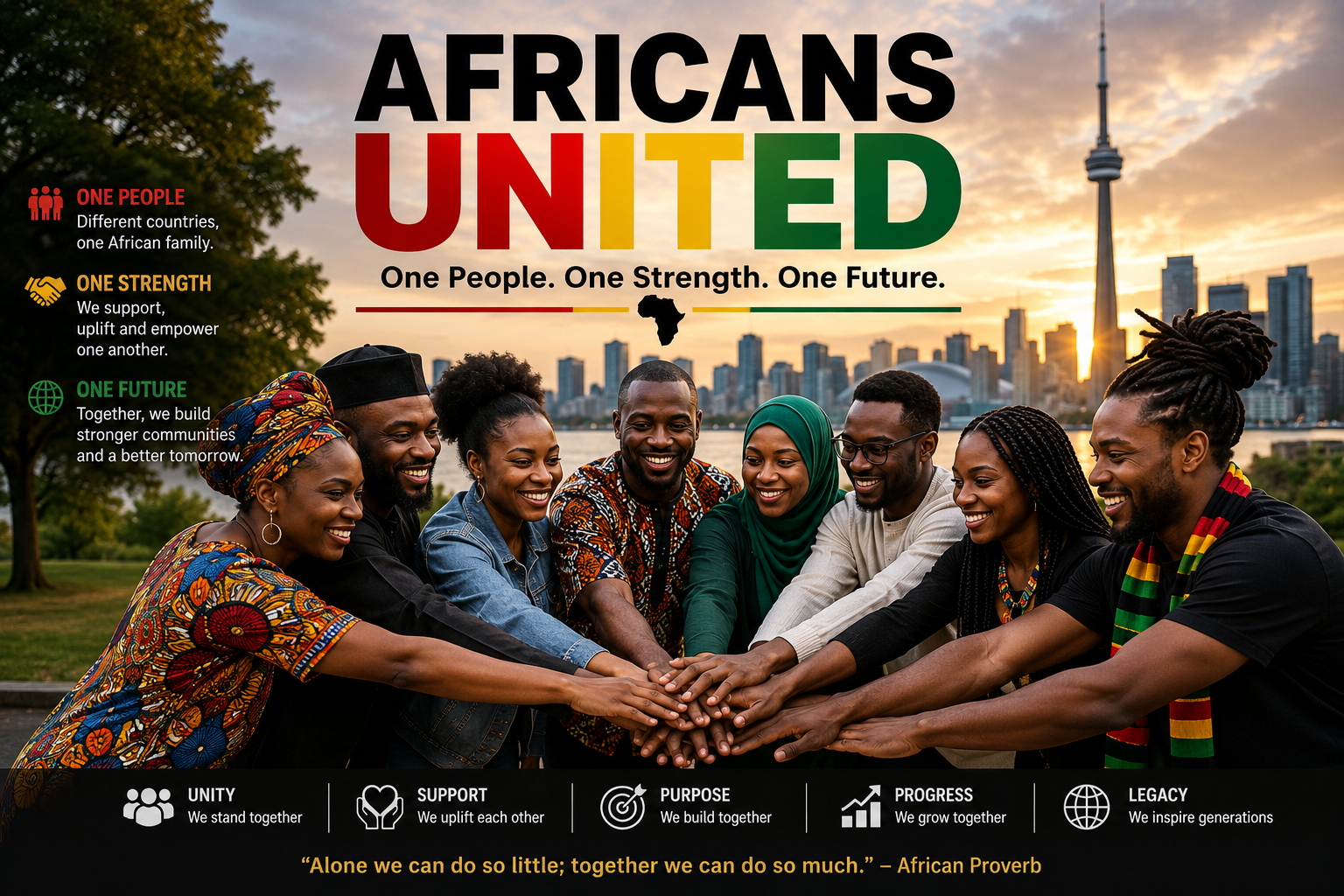
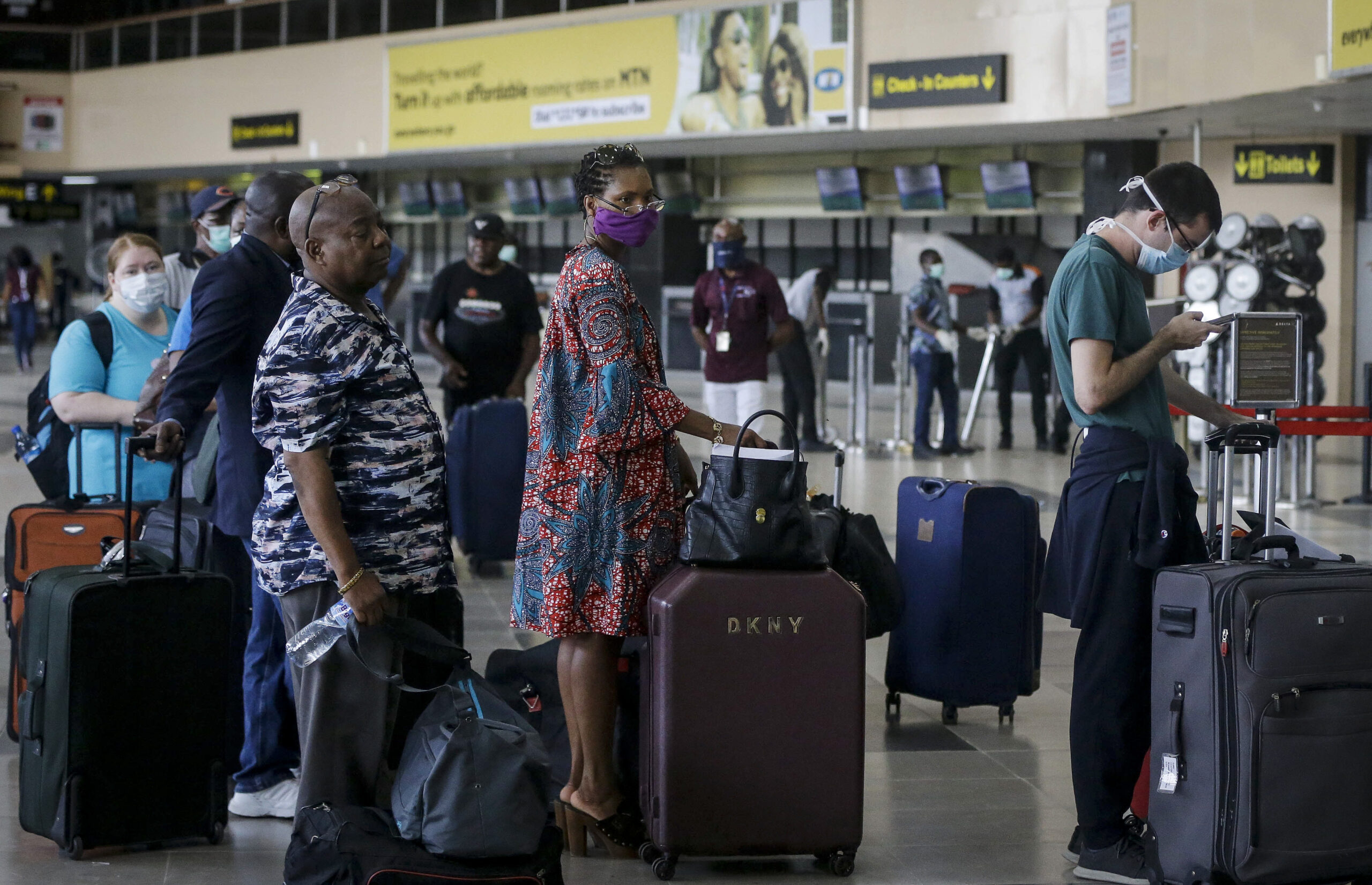
In many cities across Canada today, Africans are steadily building new lives, working long shifts, attending schools, raising families, opening businesses, and contributing meaningfully to society. From healthcare and transportation to technology, education, security, entertainment, and entrepreneurship, African immigrants and refugees are becoming part of the Canadian story. Yet amid these contributions lies a quiet challenge many rarely discuss openly: division among Africans abroad.
Too often, Africans leave their home countries carrying tribal, ethnic, political, religious, and national differences into foreign lands where unity should matter most. Nigerians separate from Ghanaians. Francophone Africans remain distant from Anglophone Africans. East Africans, West Africans, and Southern Africans sometimes operate in isolated circles despite sharing similar migration struggles, dreams, and realities. In a foreign environment where adaptation is already difficult, disunity weakens collective progress.
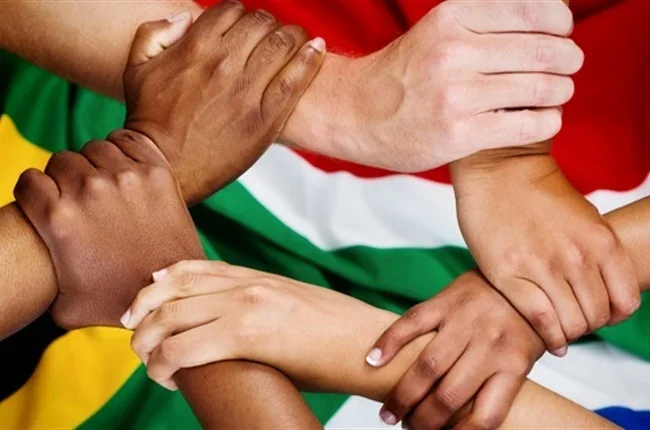
The truth is simple: abroad, Africans have more in common than what divides them. The average African migrant in Canada understands sacrifice, homesickness, financial pressure, cultural adjustment, and the desire to create better opportunities for loved ones back home. Whether one comes from Lagos, Accra, Nairobi, Johannesburg, Kigali, or Dakar, the emotional journey of migration often sounds remarkably similar.
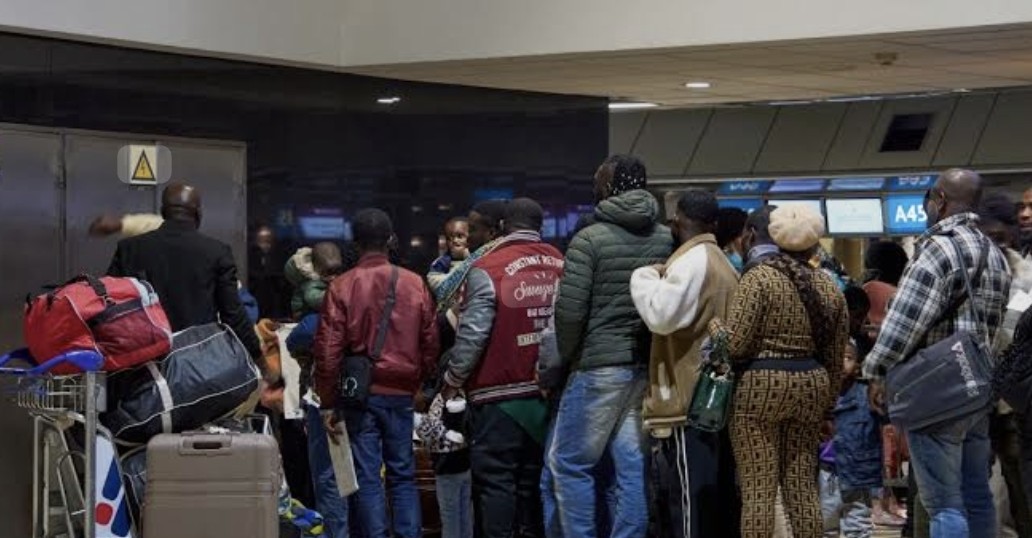
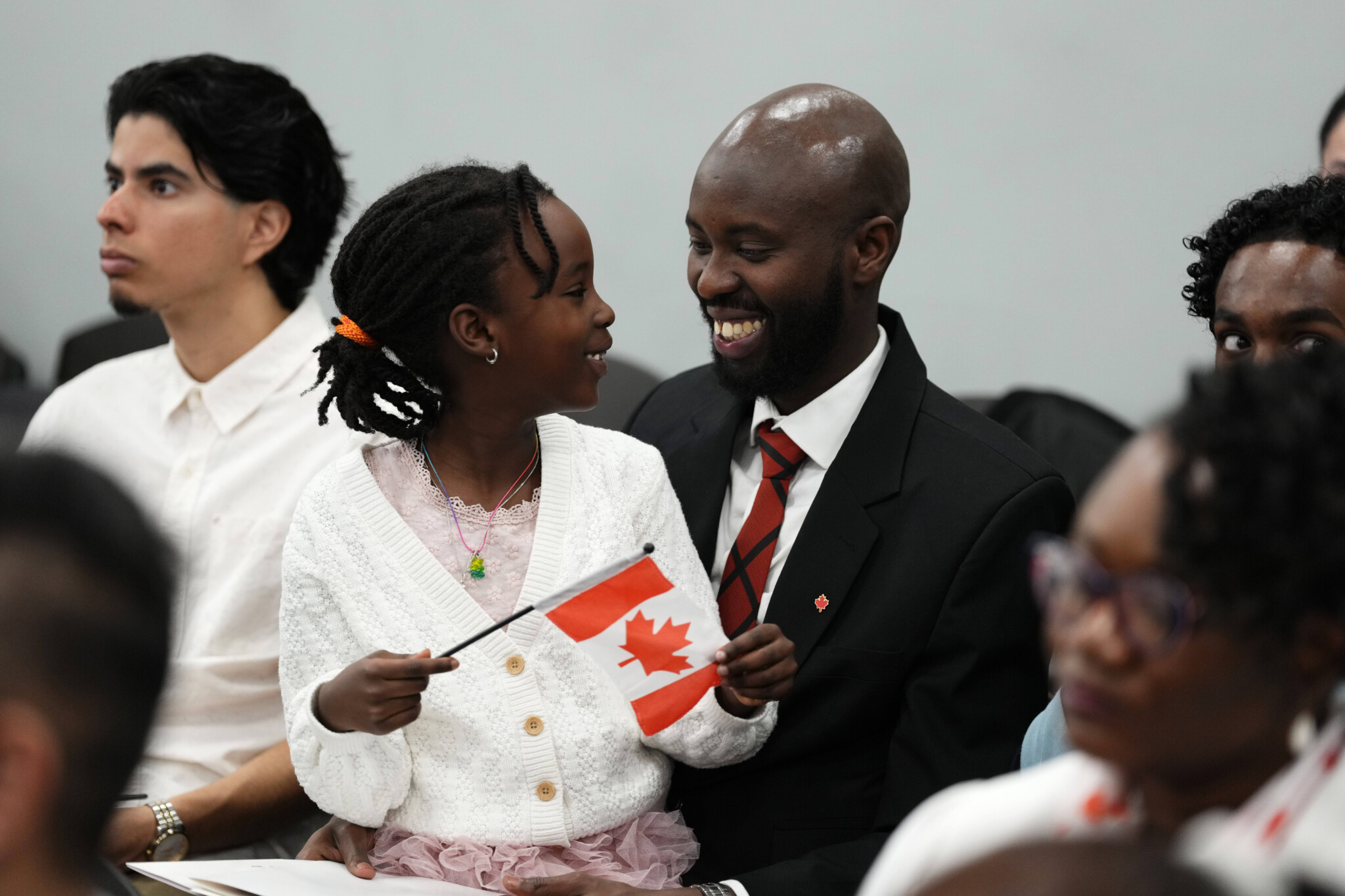
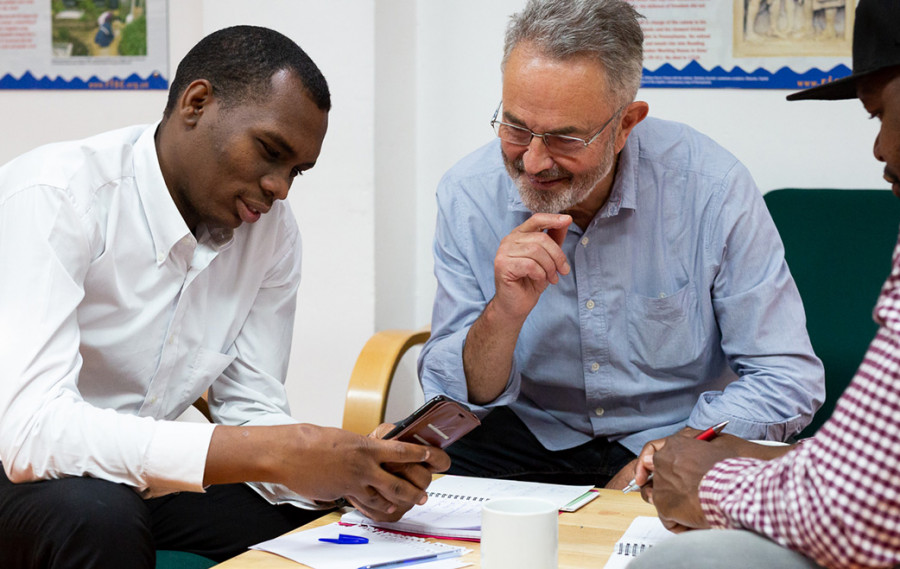
Unity among Africans abroad is not merely symbolic; it is practical and necessary. Stronger African communities create stronger support systems for newcomers struggling with housing, employment, mental health, childcare, immigration processes, and social integration. Many newly arrived immigrants survive their early months in Canada because another African extended kindness, guidance, accommodation, job information, or emotional support. These acts of solidarity quietly sustain communities.
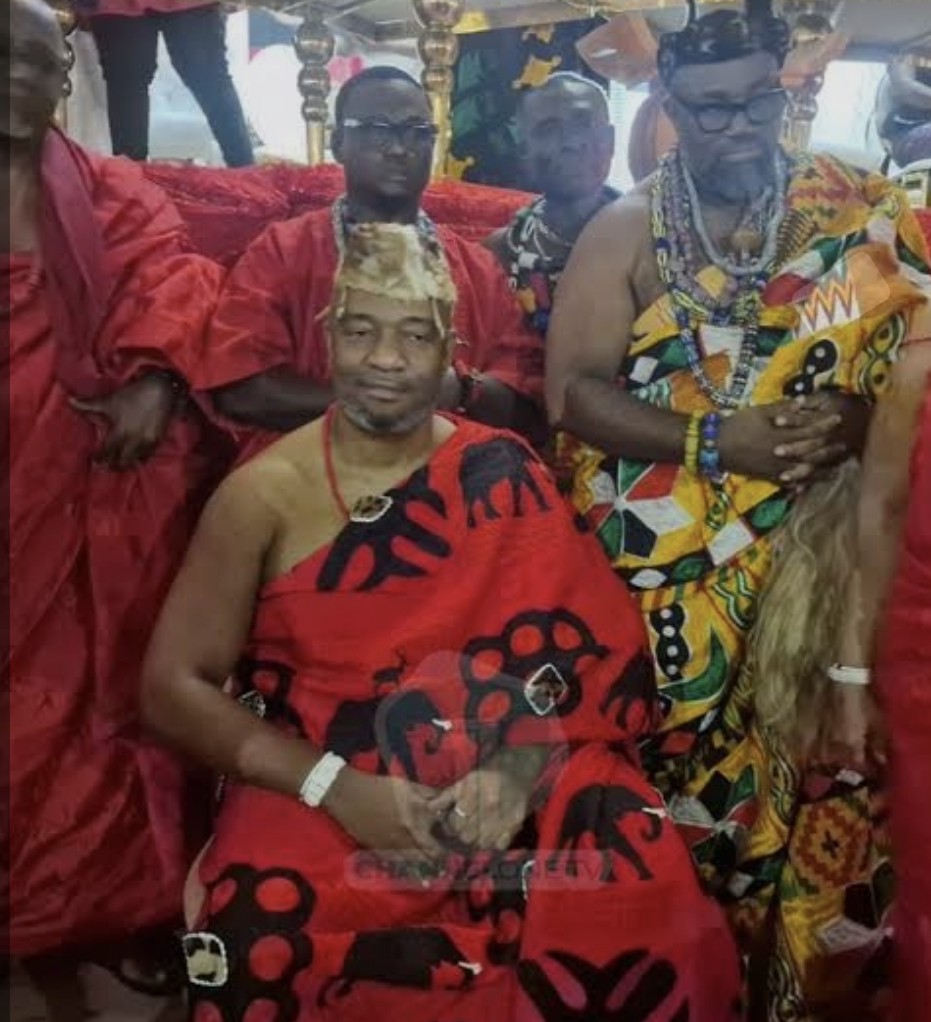
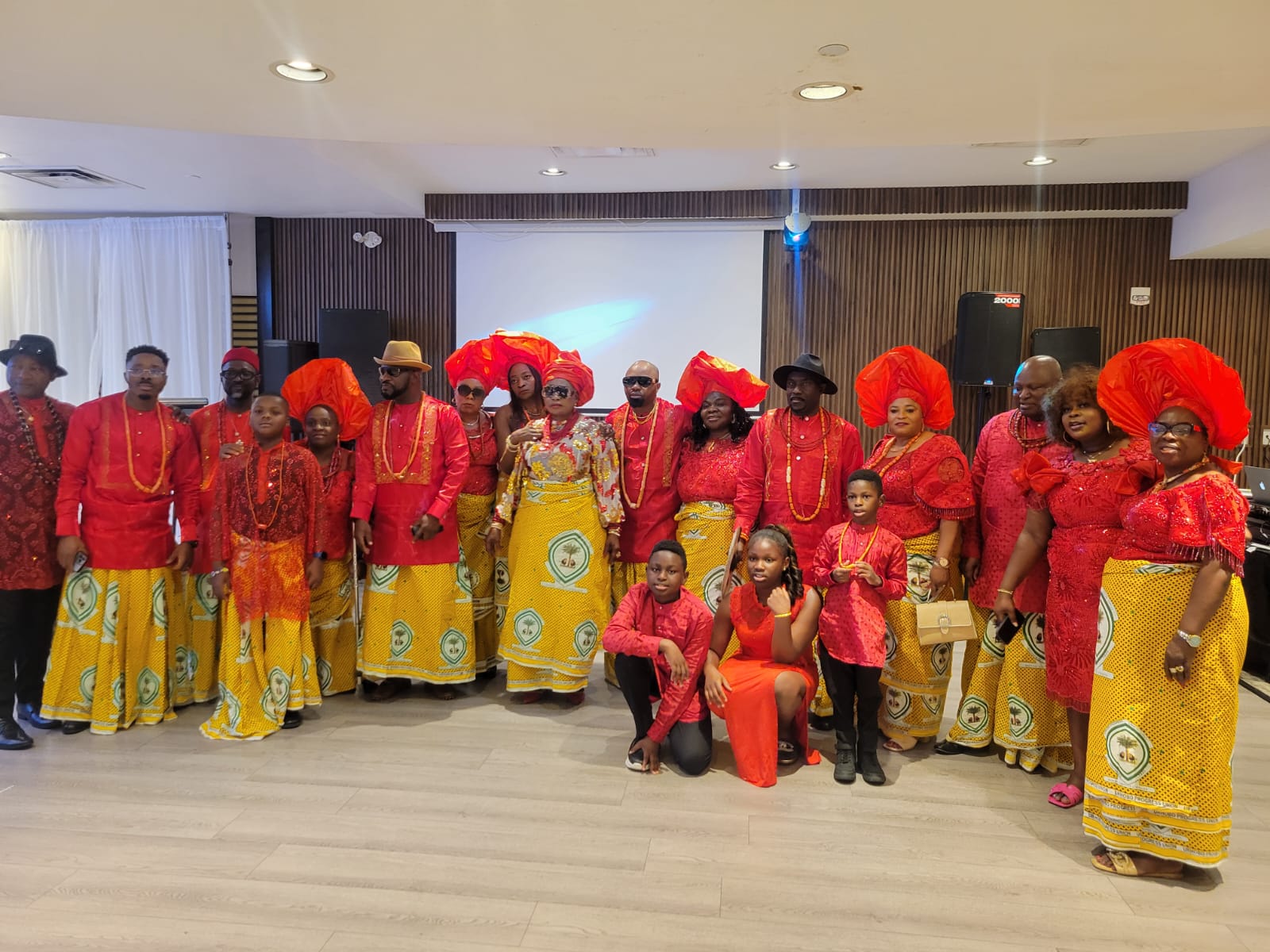
African unity also strengthens cultural preservation. Canada proudly embraces multiculturalism, and African cultures have increasingly become visible through music, cuisine, fashion, art, language, and festivals. Afrobeat music now dominates global charts. African dishes attract international attention. Traditional attire is celebrated at multicultural events. African excellence is no longer hidden. But preserving and promoting this cultural richness becomes easier when Africans collaborate instead of competing unnecessarily.
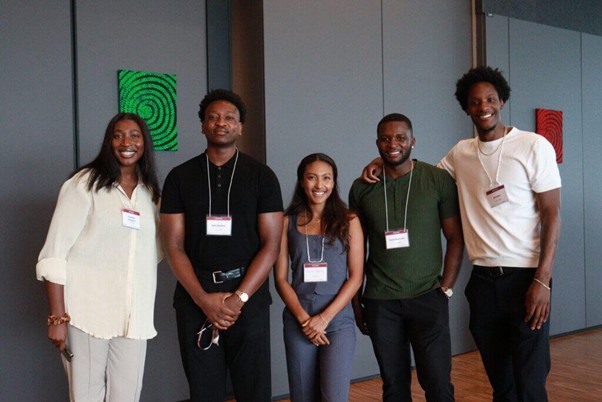
Economically, unity creates opportunities. African-owned businesses can grow faster through partnerships, referrals, and community patronage. Professionals can mentor younger immigrants entering the workforce. Community organizations can advocate more effectively for African voices in conversations involving immigration, education, employment, and social policy. A united community becomes visible, respected, and influential.
This does not mean Africans must agree on everything. Diversity itself is one of Africa’s greatest strengths. Different languages, traditions, histories, and beliefs make the continent culturally rich. However, unity means recognizing that collective advancement matters more than internal rivalry in environments where representation still matters deeply.
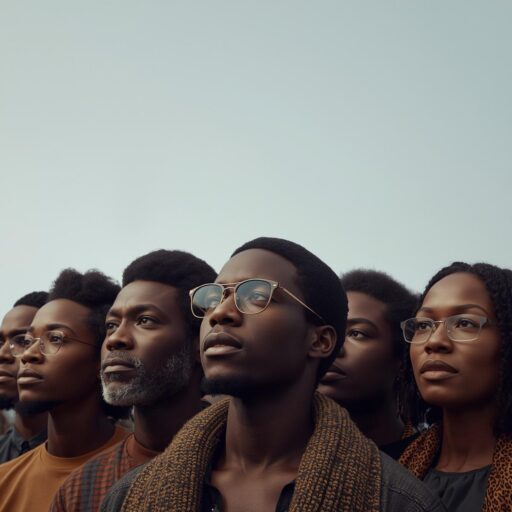
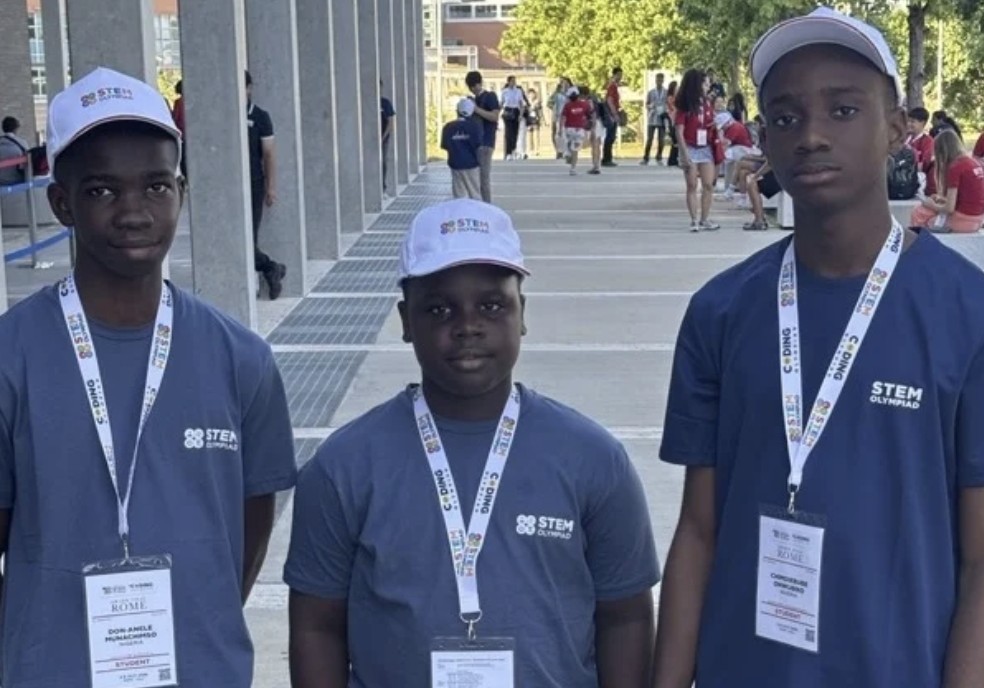
The younger African generation growing up in Canada is already teaching an important lesson. Many African youths interact freely across national and tribal backgrounds. They collaborate in schools, sports, music, social media, and entrepreneurship without the heavy divisions older generations sometimes carry. In many ways, they are building a more connected African identity abroad, one rooted not only in nationality, but also in shared heritage and shared ambition.
As Africans continue to establish themselves across Canada, there is an opportunity to redefine what diaspora community truly means. Instead of fragmented groups competing for recognition, Africans abroad can become a powerful network of support, culture, innovation, and progress. The strength of any community is not measured only by numbers, but by its willingness to uplift one another.
Far from home, unity is no longer optional. It is survival, growth, dignity, and legacy.




Leave a Reply