

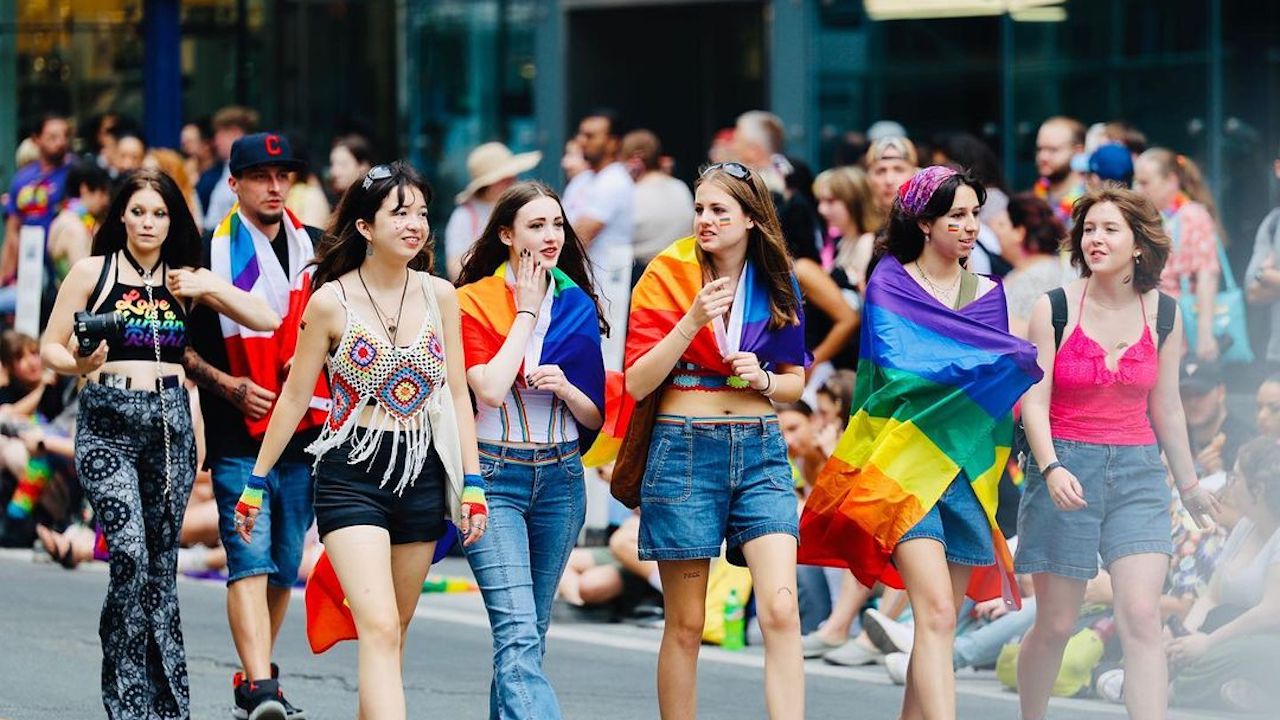
Downtown Toronto was transformed into a moving celebration of colour, music, and solidarity on Sunday as the annual Pride Parade, organised by Pride Toronto, drew massive crowds from across Canada and beyond. The 2026 edition of the parade once again confirmed its place as one of the country’s most visible expressions of LGBTQ2+ celebration and advocacy.
Stretching through the heart of the city, the parade featured hundreds of community groups, cultural organisations, advocacy networks, and allies. Floats carried messages of equality, resilience, and visibility, while streets were filled with spectators waving rainbow flags and cheering performers.
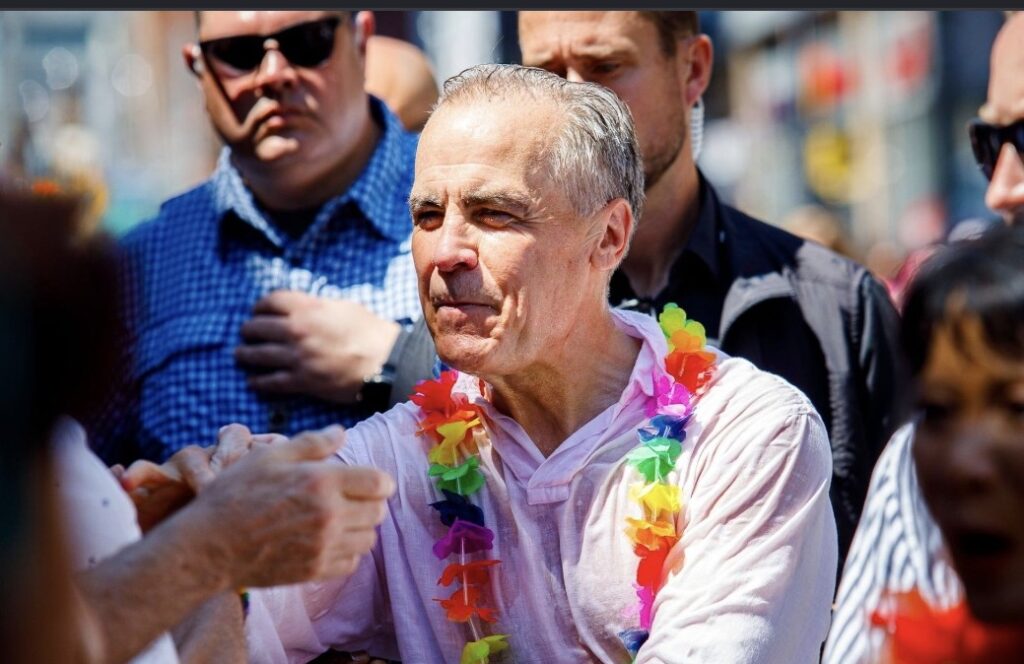
But beyond the spectacle, this year’s Pride carried a deeper significance for many newcomers to Canada, particularly asylum seekers and immigrants navigating identity, safety, and belonging in a new environment.
A Space of Freedom for Many Who Arrived in Fear
For some asylum seekers and LGBTQ2+ immigrants, Pride represents more than celebration, it represents safety.
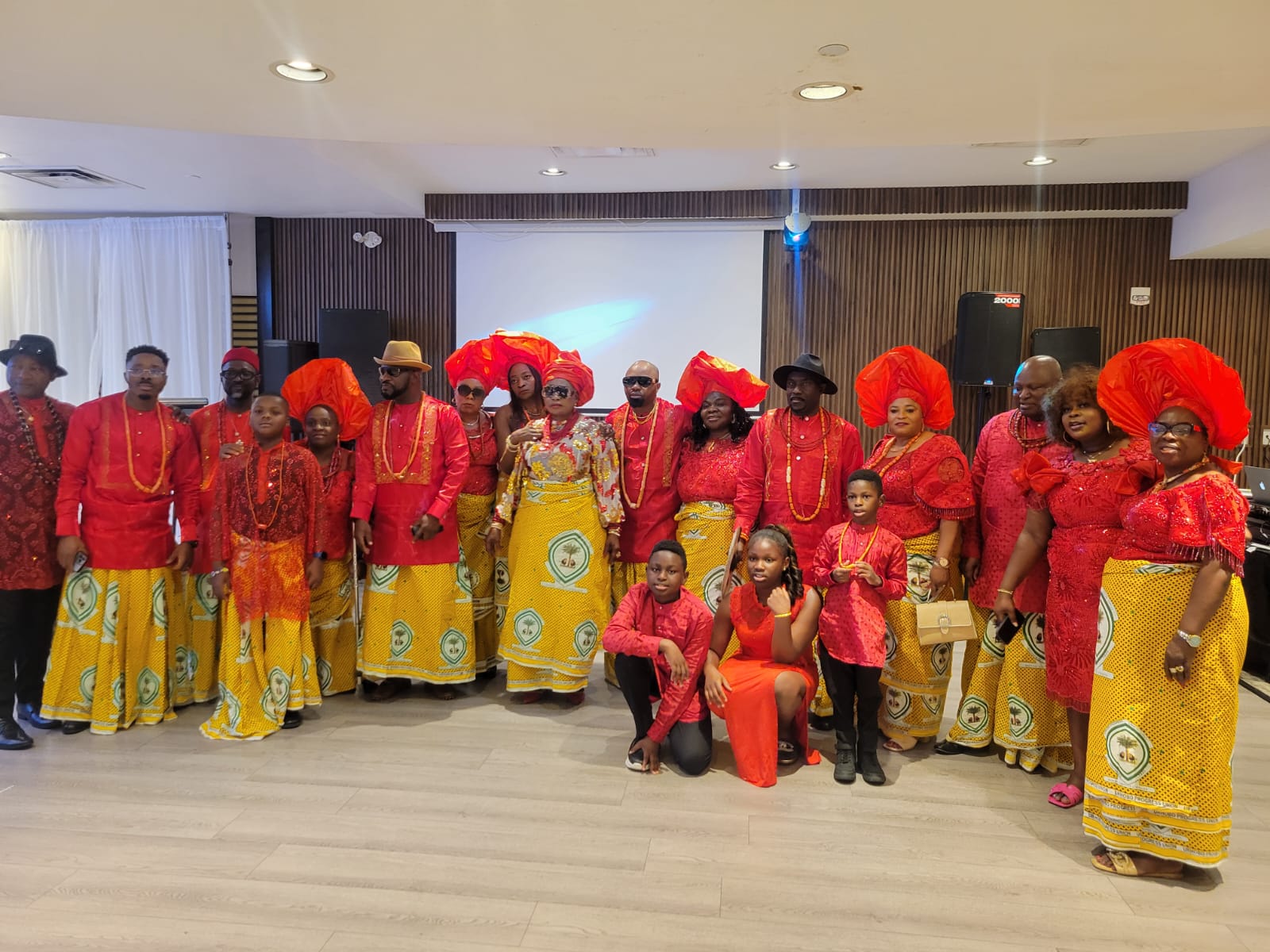
Participants from African countries and other regions where sexual orientation or gender identity may be criminalised or heavily stigmatised described the parade as a rare public space where they could exist without fear of persecution or social exclusion.
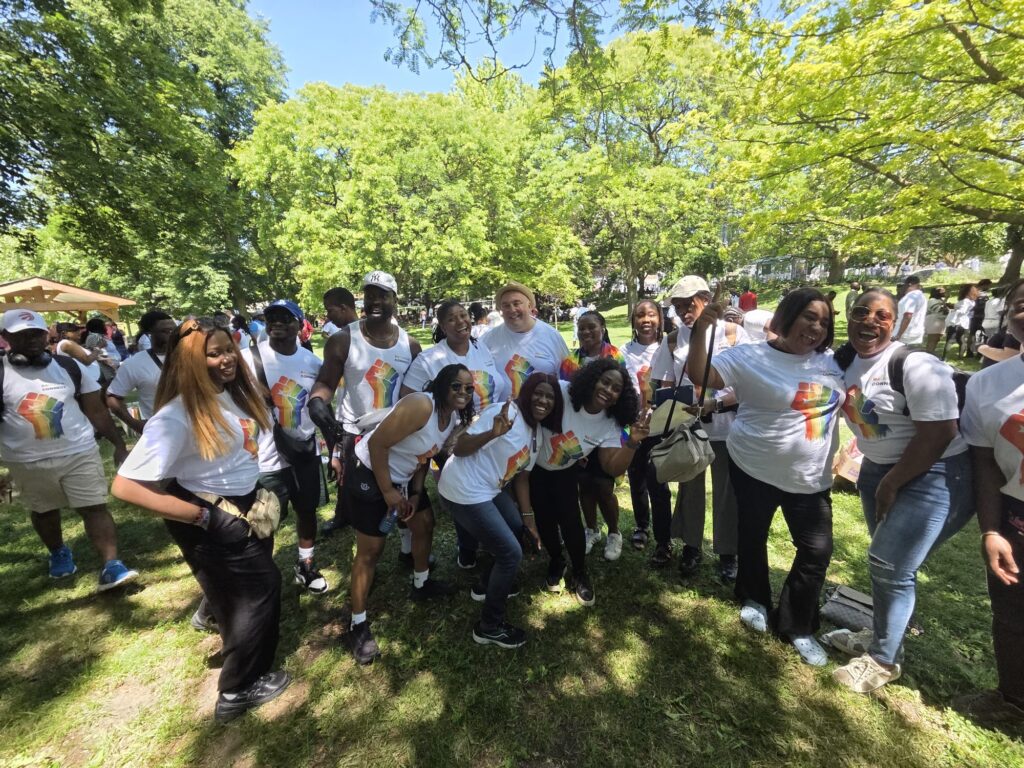
Many newcomers shared that arriving in Canada often comes with emotional complexity: relief at safety, but also grief over leaving behind family, culture, and community. Pride, for them, becomes a moment where identity does not need to be hidden or negotiated.
For African participants in particular, the experience is often layered. While Pride offers visibility and acceptance in Canada, some still carry the pressure of cultural expectations, religious beliefs, or fear of rejection from relatives back home. The parade becomes both a celebration and a quiet act of courage.
More Than Celebration: A Step in the Settlement Journey
Settlement workers and community advocates noted increased participation from newcomer and refugee groups this year. Many attended Pride through local support organisations that provide housing guidance, mental health services, and legal aid for asylum claims.
For asylum seekers, public events like Pride can also be part of rebuilding confidence after experiences of displacement, trauma, or secrecy. Being able to stand openly in a crowd that affirms identity can be an important psychological milestone.
At the same time, advocates caution that inclusion is still an ongoing process. While Canada offers legal protections, newcomers often face barriers such as isolation, financial stress, language challenges, and uncertainty about immigration outcomes. Pride does not erase those realities, but it can offer a momentary sense of belonging.
Intersection of Identity and Migration
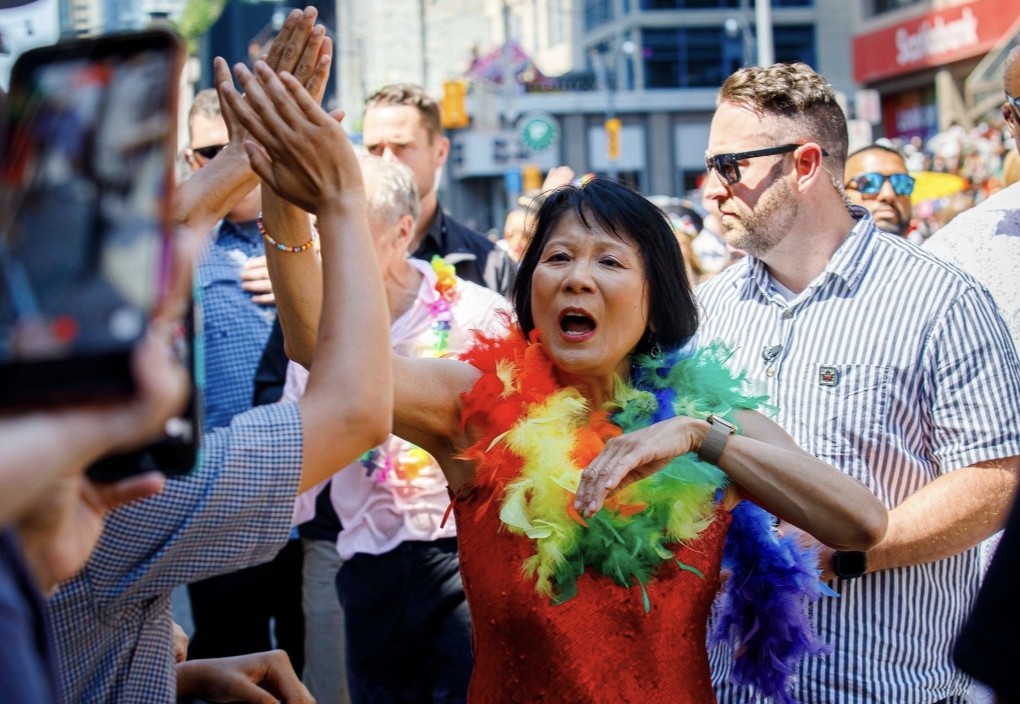
This year’s parade highlighted the growing visibility of intersectional identities within Canada’s LGBTQ2+ communities. Indigenous, Black, and immigrant-led groups were prominently represented, reflecting the evolving understanding that Pride is not a single narrative but many lived experiences woven together.
For African LGBTQ2+ immigrants and asylum seekers, this intersection is especially significant. Many described finding solidarity not only in sexuality or gender identity, but also in shared experiences of migration, adaptation, and resilience.
A Shared City Moment
As the parade moved through downtown Toronto, the atmosphere reflected both celebration and reflection. Music, dancing, and performances filled the streets, but so did messages about justice, safety, and human rights.
By the end of the day, Pride 2026 stood as more than a festival. It became a visible reminder that Canada’s identity as a multicultural society is continually shaped by those who arrive seeking safety and those who find, even briefly, a sense of home in the crowd.
For many newcomers, especially asylum seekers and African immigrants, the message was simple but powerful: visibility matters, and belonging is something that grows one shared moment at a time.







Leave a Reply