


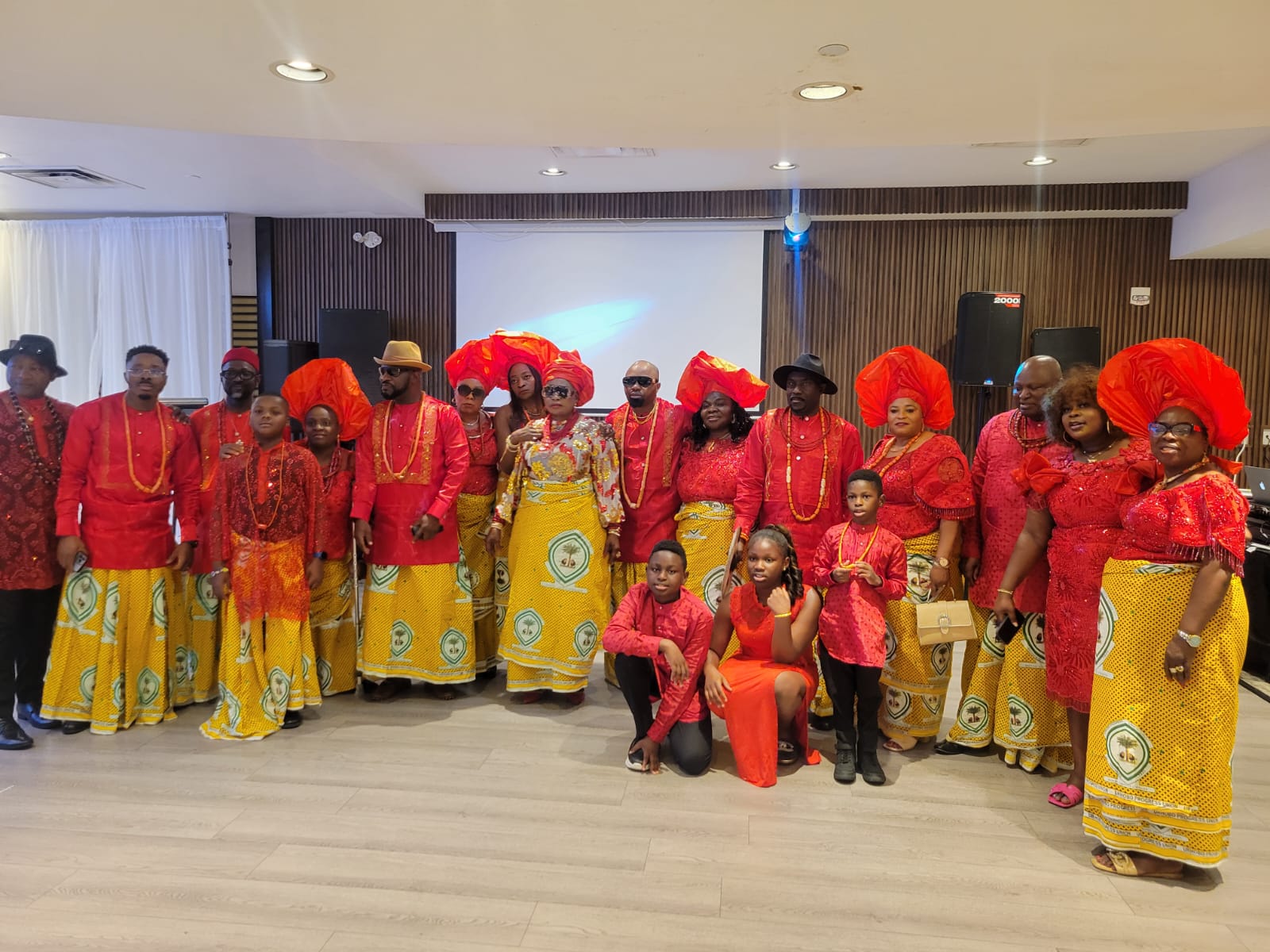
In a busy shopping plaza in Toronto, a Nigerian-owned grocery store sits beside a Filipino bakery, a Lebanese shawarma restaurant, a Chinese herbal shop, and a Caribbean barbershop. Customers move effortlessly between cultures, accents, and traditions, reflecting what daily life has increasingly become across Canada, a living blend of the world’s cultures sharing the same space.
For millions of immigrants and Canadians born into multicultural families, this is normal life in modern Canada. But behind the colourful festivals, global cuisines, and multicultural neighbourhoods lies a more complex story, one shaped by cultural misunderstandings, language barriers, racial tensions, adaptation, and resilience.
Today, many experts believe those challenges helped transform Canada into one of the world’s most globally connected and socially diverse nations. What once created division is now increasingly becoming one of the country’s greatest strengths.

A Country Built by Many Peoples. Canada’s identity has been shaped by generations of immigration from Europe, Asia, Africa, the Caribbean, the Middle East, and Latin America. Each new wave of immigrants brought:
- languages,
- traditions,
- religions,
- food,
- entrepreneurial ideas,
- and cultural values.
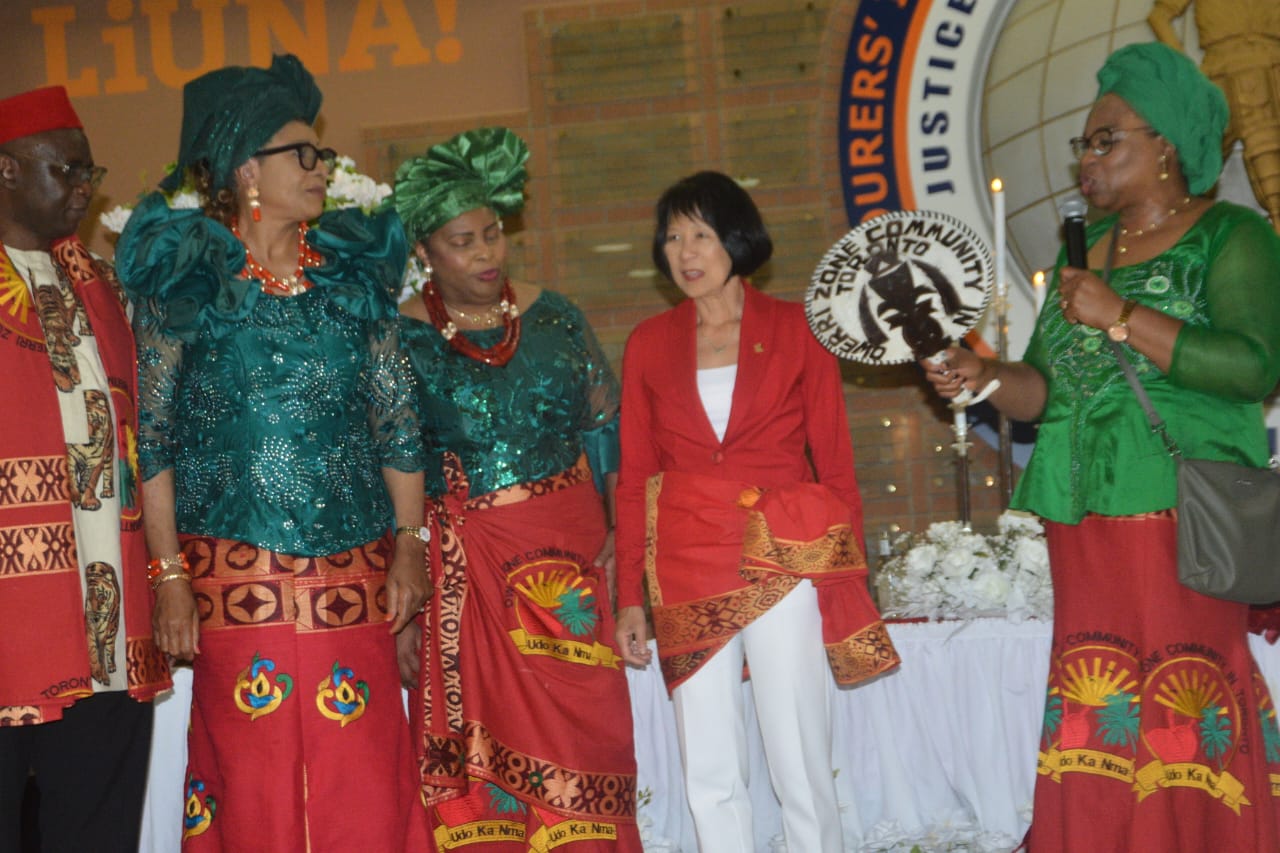
Over time, those communities transformed cities such as Toronto, Vancouver, Montreal, Calgary, and Ottawa into multicultural hubs recognized around the world. Walk through Toronto today and it is possible to hear Yoruba, Arabic, Punjabi, Mandarin, Somali, French, Spanish, and Tagalog all within a single neighbourhood.
That cultural diversity has influenced nearly every part of Canadian society, from business and healthcare to education, entertainment, politics, and technology. When Cultures Collide, despite Canada’s reputation for multiculturalism, the journey toward inclusion has not always been smooth. Many immigrants arrive with social norms and traditions very different from mainstream Canadian culture. An African family may prioritize collective family decision-making and strong respect for elders, while Canadian-born neighbours may place greater emphasis on independence and individual freedom.
In workplaces, communication styles often differ. A newcomer speaking directly may be viewed as confrontational, while a quiet employee with a strong accent may unfairly be perceived as lacking confidence or leadership ability. For many immigrants, adjusting to Canadian workplace culture, humour, social expectations, and communication patterns can be one of the hardest parts of settlement.
At the same time, many Canadian institutions were also forced to adapt. Schools, hospitals, workplaces, and government offices increasingly had to learn how to serve culturally diverse populations with different languages, beliefs, and traditions. What began as cultural friction slowly became a learning process for the entire country.

Diversity Forced Canada to Become More Inclusive. Experts say cultural misunderstandings pushed Canada into important national conversations around race, equity, inclusion, and coexistence. As immigrant populations grew, workplaces introduced:
- diversity and inclusion training,
- anti-racism policies,
- equity hiring programmes,
- and multicultural awareness initiatives.
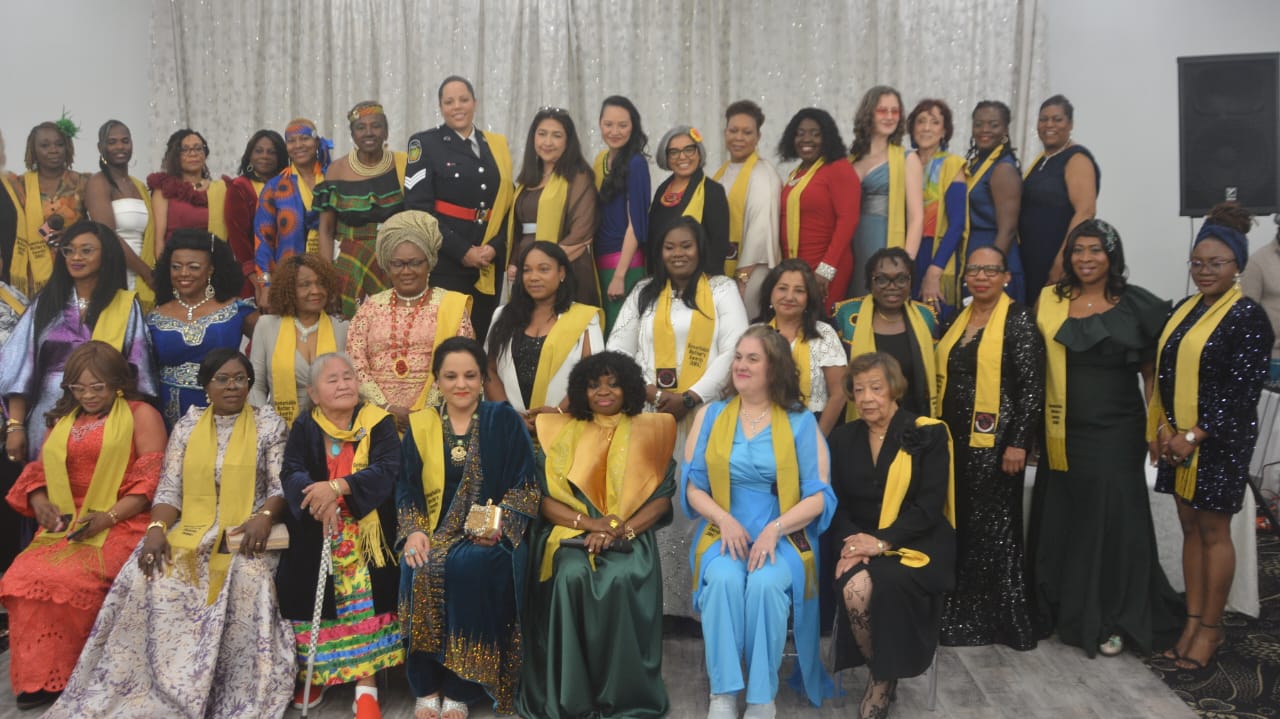
Canadian schools also became frontline spaces where multiculturalism was experienced daily. In classrooms across the country, students from dozens of backgrounds now study side by side, exposing younger generations to cultures and experiences their parents may never have encountered growing up.
This exposure is helping raise a generation that is often more globally aware and culturally adaptable than previous ones. Immigration Helped Strengthen Canada’s Economy. Canada’s diversity has also become one of its greatest economic advantages. Immigrant communities continue to help fill labour shortages in:
- healthcare,
- construction,
- transportation,
- education,
- technology,
- and skilled trades.
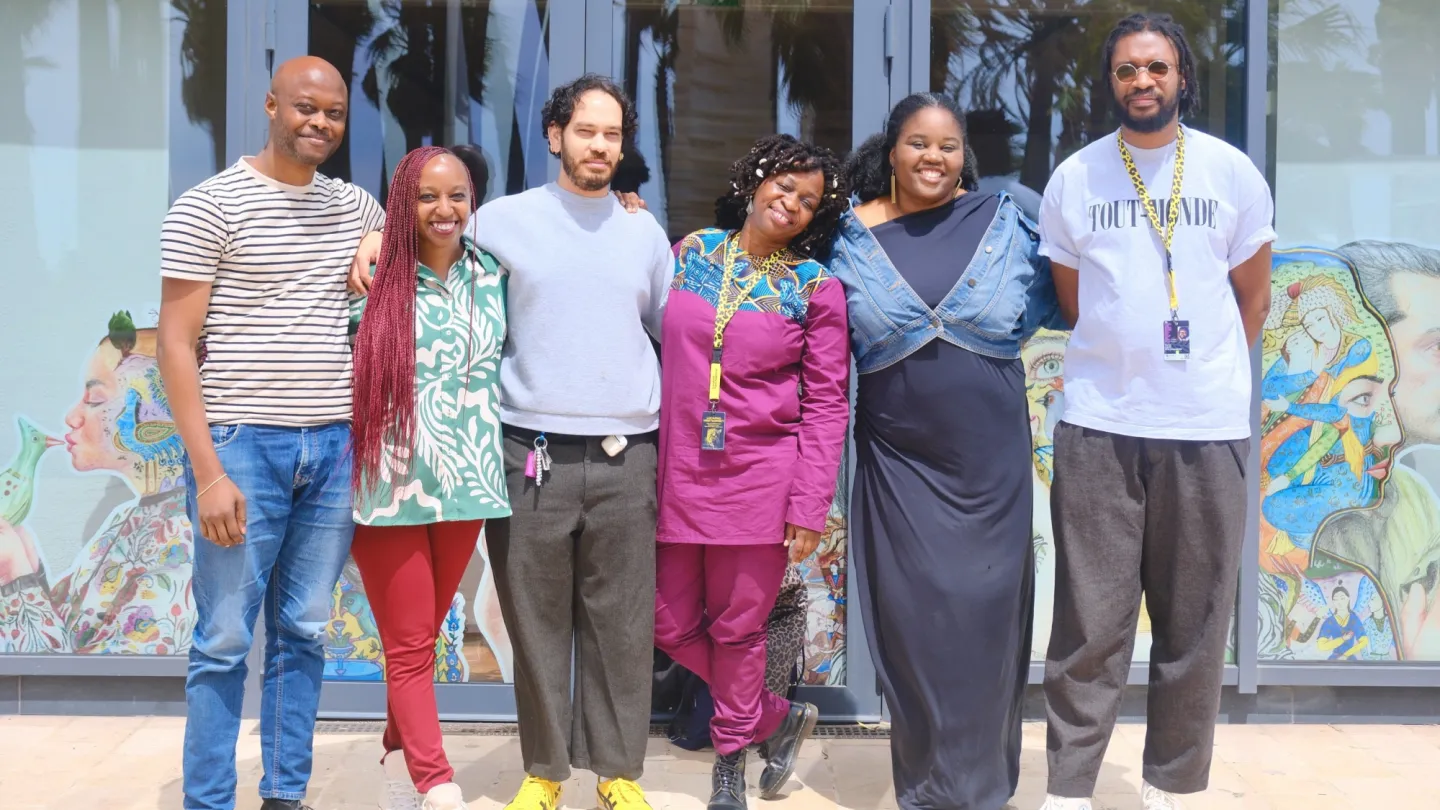
Across Toronto and Vancouver especially, immigrant entrepreneurs are building businesses that connect Canada to international markets in Africa, Asia, and the Caribbean. African and South Asian business owners increasingly operate companies that serve both Canadian consumers and overseas clients, helping strengthen trade and investment relationships.
Canada’s technology sector has also benefited heavily from immigration. Immigrant software engineers, researchers, and startup founders are contributing to industries such as:
- artificial intelligence,
- fintech,
- logistics,
- healthcare innovation,
- and cybersecurity.
Industry experts say diverse teams often outperform homogeneous ones because different life experiences produce broader ideas and stronger problem-solving approaches.
Culture Changed Canada’s Global Identity
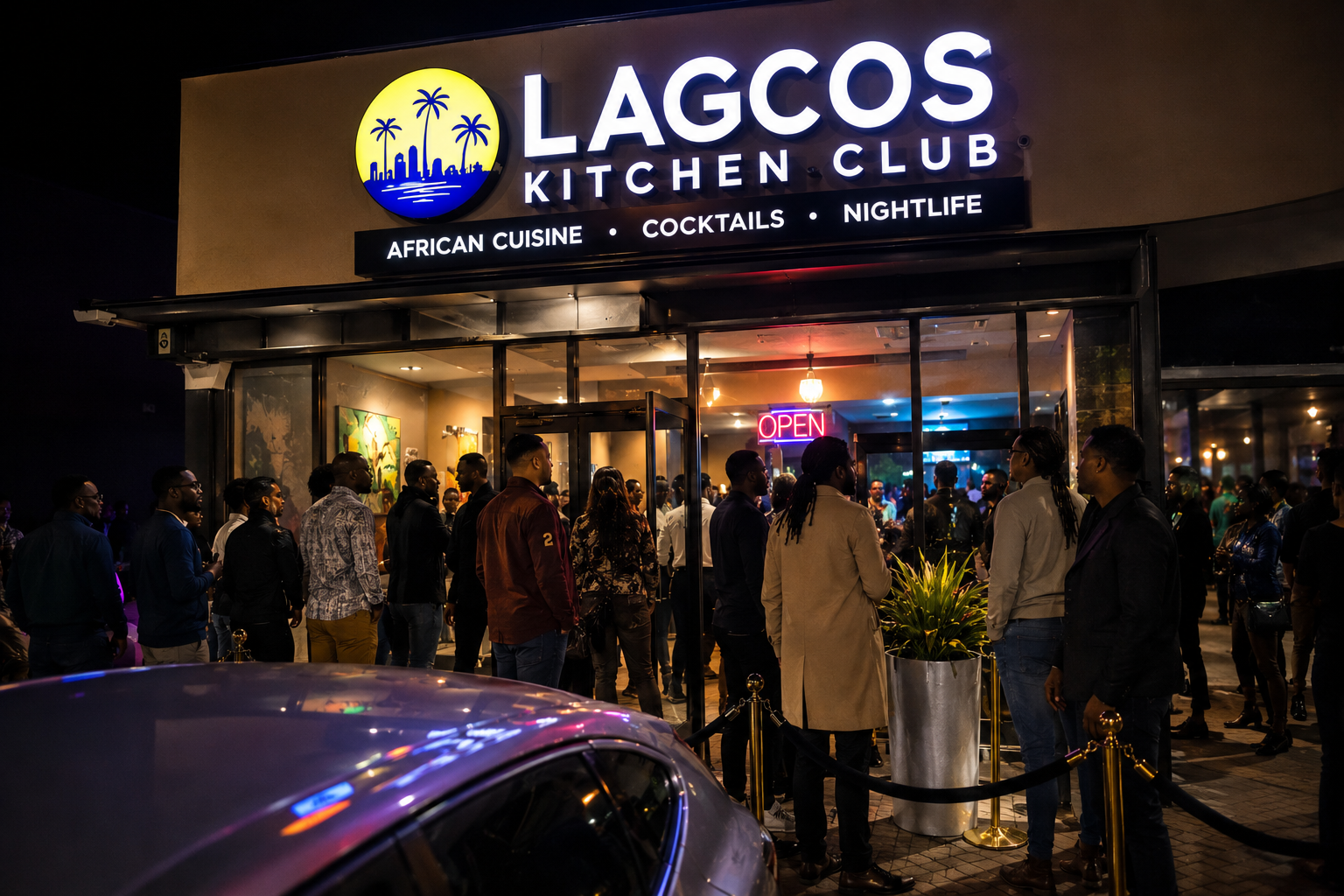
Food, music, and entertainment are perhaps the most visible examples of how diversity transformed Canada. Meals once viewed as “foreign” are now everyday Canadian staples:

- Jollof rice,
- butter chicken,
- sushi,
- pho,
- shawarma,
- and Caribbean cuisine.
In multicultural neighbourhoods, Jollof rice and Poutine now exist side by side, symbolizing how cultures continue blending into modern Canadian life.
Music and entertainment have experienced similar changes. Artists like Drake and The Weeknd helped turn multicultural Toronto culture into a global influence. Afrobeats, Caribbean rhythms, Punjabi music, and multilingual storytelling increasingly shape Canadian radio, streaming platforms, and pop culture.
Real-Life Events Changed National Conversations. Several major events forced Canada into deeper conversations about diversity and identity. The rise of Black Lives Matter sparked nationwide discussions around race, policing, and systemic discrimination. During the COVID-19 pandemic, incidents of anti-Asian racism highlighted ongoing challenges around prejudice and belonging. At the same time, conversations around Indigenous reconciliation and the legacy of residential schools pushed Canadians to confront difficult historical truths. While these moments exposed divisions, they also encouraged greater awareness, dialogue, and policy reforms.
Many institutions responded by expanding diversity policies and inclusion efforts. Diversity Is Still a Work in Progress. Despite progress, challenges remain. Many immigrants and racialized Canadians still face:
- employment discrimination,
- housing barriers,
- credential recognition problems,
- racism,
- and social exclusion.
Newcomers often struggle with loneliness, financial pressure, and adapting to unfamiliar systems. At the same time, debates continue around immigration levels, affordability, integration, and national identity. Experts warn that diversity alone does not automatically create unity. Building an inclusive society requires ongoing effort, fairness, and investment.
A Nation Constantly Evolving

Canada today is the result of constant cultural interaction, adaptation, misunderstanding, learning, and collaboration. Its diversity has not erased social tension, but it has helped create a country that is more globally connected, economically resilient, and culturally dynamic. For many immigrants, Canada represents the possibility of preserving cultural identity while still participating fully in national life. And for Canada itself, diversity has increasingly become more than policy, it has become part of the country’s identity.
In many ways, Canada’s story is no longer about one culture learning to tolerate others. It is about millions of people from different backgrounds slowly learning how to build a shared future together. Through those cultural exchanges, misunderstandings, and moments of growth, modern Canada continues evolving into one of the world’s most diverse and globally connected nations.







Leave a Reply