

When conversations about immigration dominate headlines, the focus often falls on statistics, policies, border debates, or economic pressure. Rarely do people pause to examine one of the most remarkable realities quietly unfolding across Canada and other parts of the world: the strength of African communities abroad.
From small apartments shared by newcomers to thriving African-owned businesses in major cities, African diaspora communities continue to demonstrate resilience, unity, sacrifice, and determination in ways that often go unnoticed. Behind many survival stories are networks of people helping one another navigate unfamiliar systems, emotional struggles, financial hardship, and the difficult process of starting life again far from home.
For many African immigrants and refugees, community becomes family.
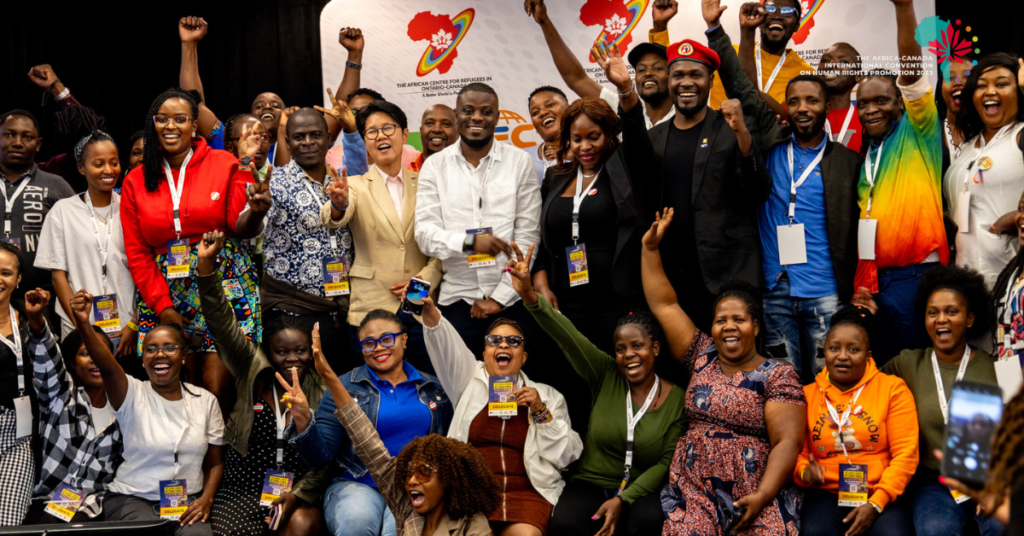
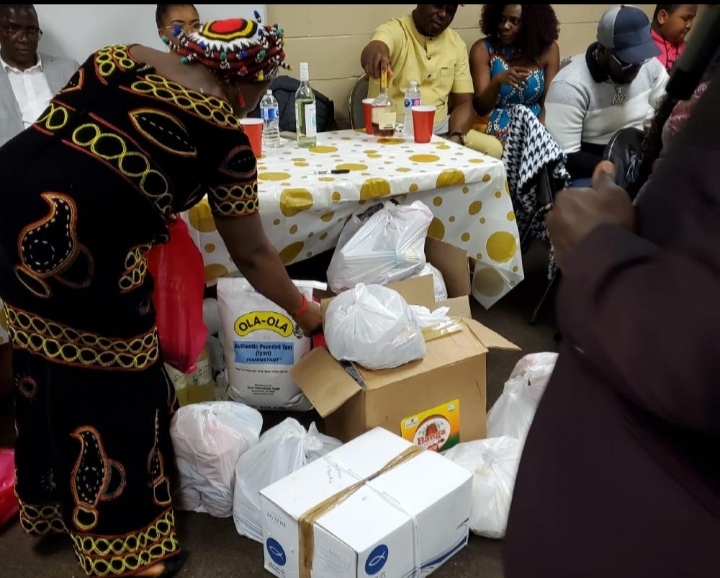
A newcomer arriving in , for example, may know nobody personally. Yet within days or weeks, another African may help them locate temporary accommodation, explain public transportation, assist with school registration, share food, recommend employment resources, or simply offer encouragement during uncertain moments. These acts may appear small individually, but collectively they form powerful support systems that sustain lives.
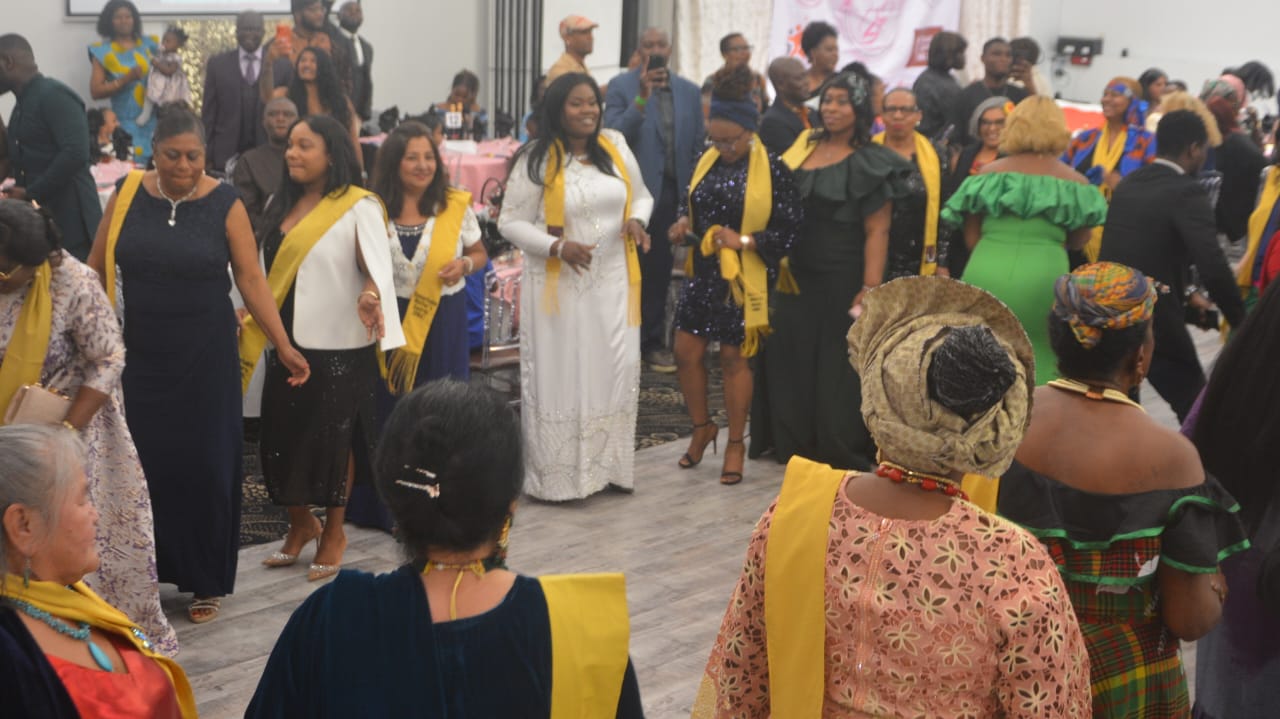
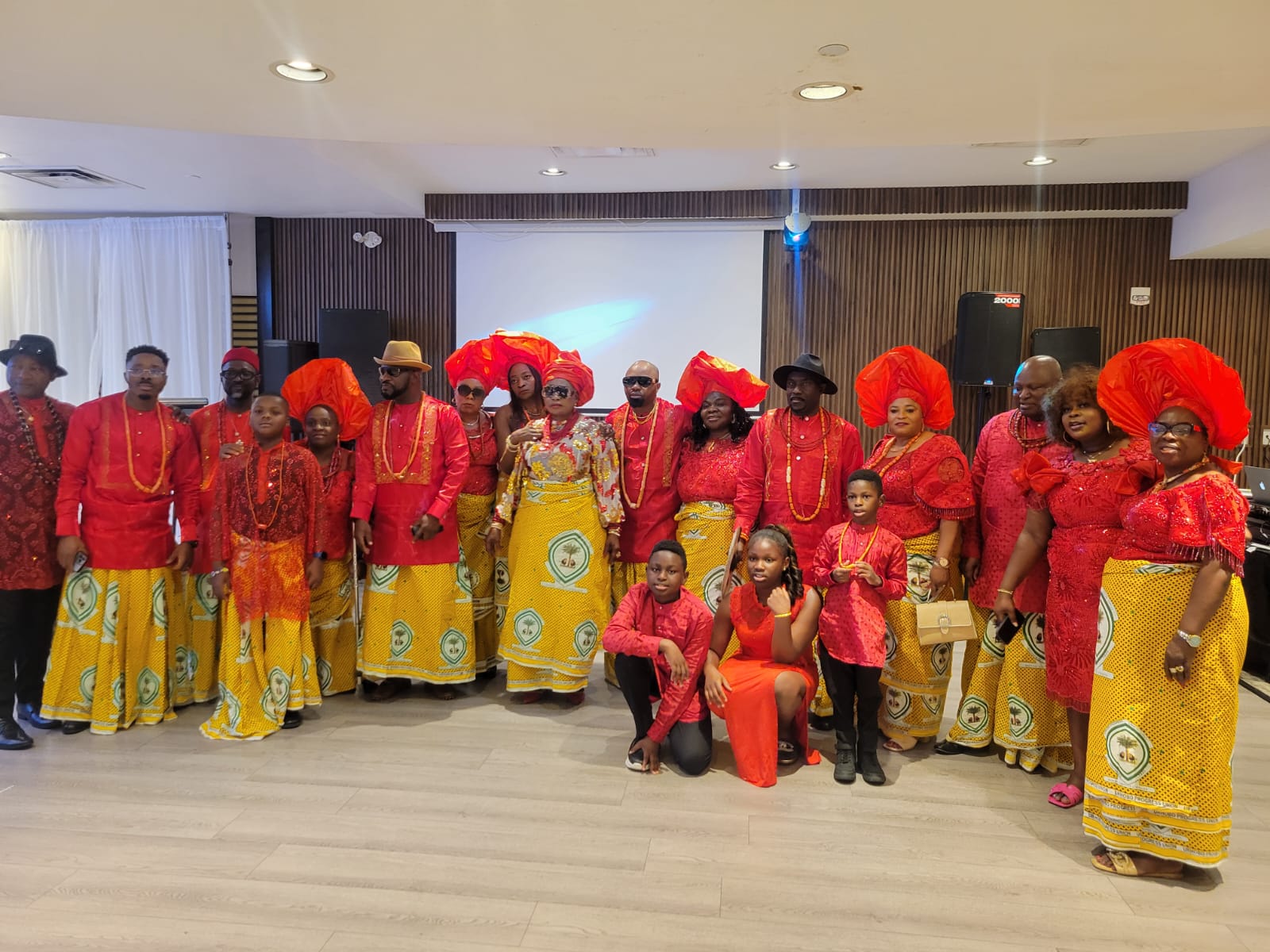
African communities abroad often organize around faith centers, cultural associations, hometown unions, student groups, professional networks, and social organizations. Churches, mosques, and community centers frequently become more than places of worship, they become spaces of emotional healing, networking, mentorship, and survival.
In these spaces, people exchange job opportunities, support grieving families, celebrate births and weddings, raise funds during emergencies, mentor young people, and preserve cultural identity. Even in difficult economic conditions, many Africans abroad still send money home regularly while helping relatives and friends establish themselves in Canada.
One of the most powerful qualities within African communities is adaptability.
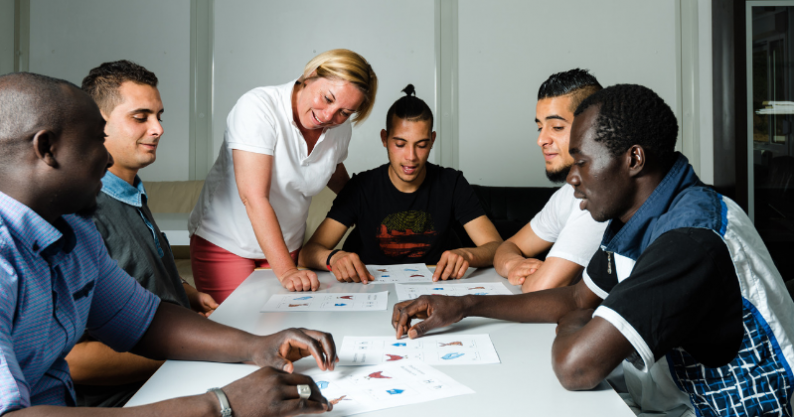
Many immigrants arrive with professional experience yet face challenges such as credential recognition, unemployment, housing pressure, or cultural adjustment. Despite these obstacles, African communities consistently find ways to survive and rebuild. Some pursue additional education. Others start businesses. Many accept temporary survival jobs while quietly working toward larger goals.
Over time, these efforts contribute significantly to Canadian society.
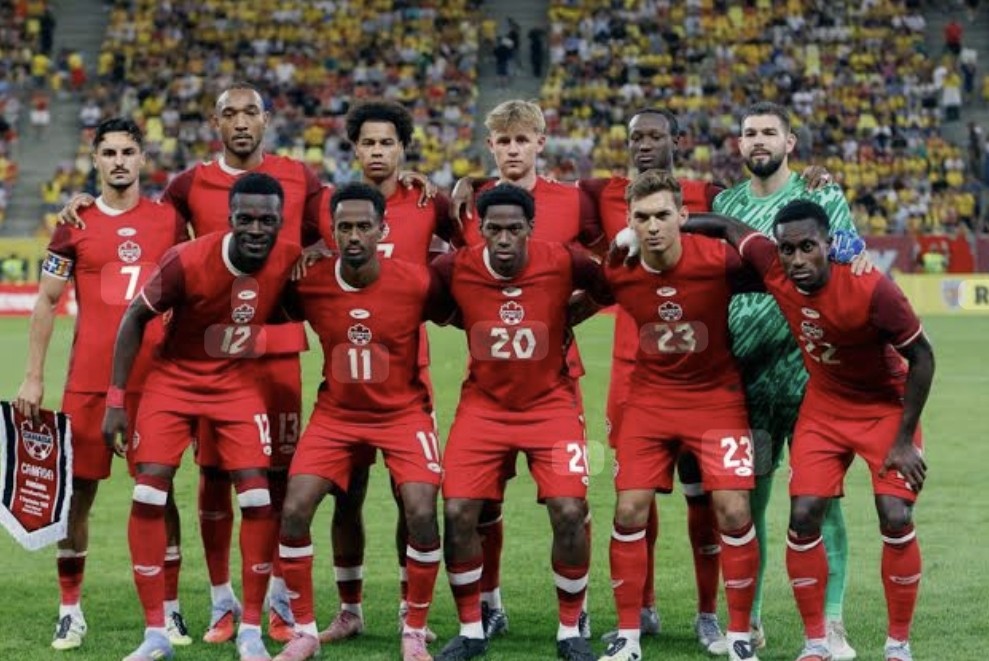
African immigrants are increasingly visible in healthcare, transportation, education, technology, construction, caregiving, media, entrepreneurship, sports, and public service. African-owned restaurants, grocery stores, fashion brands, beauty businesses, and media platforms continue expanding across Canadian cities. African music, food, and culture have also become influential parts of Canada’s multicultural landscape.
Yet despite these contributions, many African communities still battle stereotypes and underrepresentation. Success stories are not always highlighted. The media sometimes focuses more heavily on struggle than on achievement, resilience, and progress. This creates an incomplete picture of African immigrant realities.
The truth is that African communities abroad are not defined solely by hardship. They are defined by perseverance.
They are communities filled with parents sacrificing for their children’s future, students working multiple jobs while pursuing degrees, professionals rebuilding careers from the ground up, and young Africans balancing cultural heritage with modern Canadian identity.
The younger generation especially represents an exciting transformation. Young African Canadians are increasingly visible in leadership, politics, business, arts, sports, academia, and digital media. Many are proudly embracing both their African heritage and Canadian upbringing, creating a unique identity that reflects strength from both worlds.
The strength of African communities abroad cannot always be measured in headlines or statistics. It is found in resilience during difficult winters, in crowded community gatherings filled with laughter and food, in parents working tirelessly for their children, and in strangers helping strangers simply because they share a common heritage and understanding.
Far from home, African communities continue doing what they have always done best: surviving, adapting, building, and uplifting one another.
And in that quiet strength lies one of the most important immigrant stories of our time.



Leave a Reply