


Canada has long presented itself as a nation built on diversity, opportunity, and immigration. Across the country, immigrants contribute immensely to healthcare, transportation, education, technology, construction, caregiving, and entrepreneurship. Yet hidden beneath many success stories is an uncomfortable reality: countless skilled refugees and refugee claimants remain underutilized despite possessing valuable qualifications, professional experience, and talent.
Among African refugees arriving in Canada are teachers, journalists, engineers, nurses, business owners, IT specialists, administrators, academics, and skilled tradespeople. Many arrive with years of experience from their home countries. However, upon arrival, they often encounter barriers that delay or completely prevent them from working in their professions.

For many newcomers, survival becomes the immediate priority. Highly educated individuals who once managed offices, classrooms, clinics, or businesses suddenly find themselves struggling to secure entry-level jobs. Professional certifications may not be recognized quickly. Canadian experience becomes a repeated requirement. Licensing processes are often expensive and time-consuming. In some cases, language adaptation and unfamiliar systems further complicate integration.
This raises an important national question: should Canada do more to support skilled refugees in rebuilding their professional lives? The answer, for many advocates and community leaders, is yes.
Canada currently faces labor shortages in several sectors, including healthcare, caregiving, construction, transportation, and technology. At the same time, many qualified refugees remain unemployed or underemployed. This contradiction highlights a gap between immigration potential and integration systems.
Skilled refugees are not asking for shortcuts. Most simply seek fair opportunities to contribute meaningfully. Faster credential assessment systems, affordable bridging programs, mentorship opportunities, internship placements, and targeted employment support could significantly improve integration outcomes. When people are empowered to use their skills, entire communities benefit.
The economic advantages are obvious. A doctor driving delivery vehicle or a trained teacher working unrelated survival jobs represents lost potential, not only for the individual, but also for society. Canada invests heavily in attracting global talent; supporting skilled refugees already present in the country could strengthen the workforce while promoting social inclusion and economic growth.
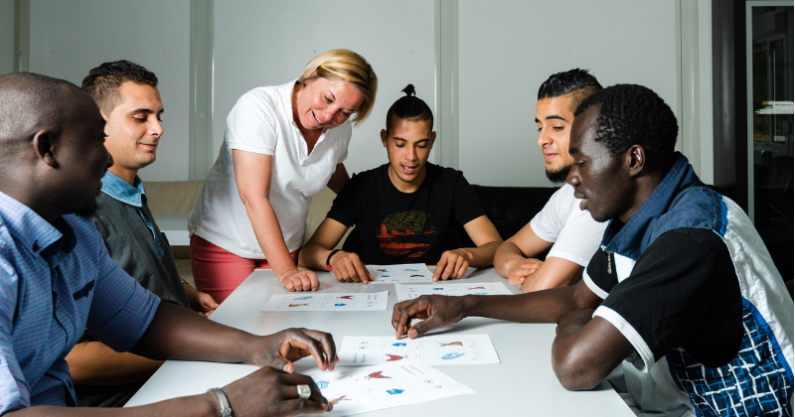
Beyond economics, there is also a human dimension. Many refugees arrive after experiencing instability, displacement, persecution, or major personal losses. Rebuilding a career often becomes part of rebuilding dignity and identity. Employment is not only about income; it also restores confidence, belonging, and hope for the future.
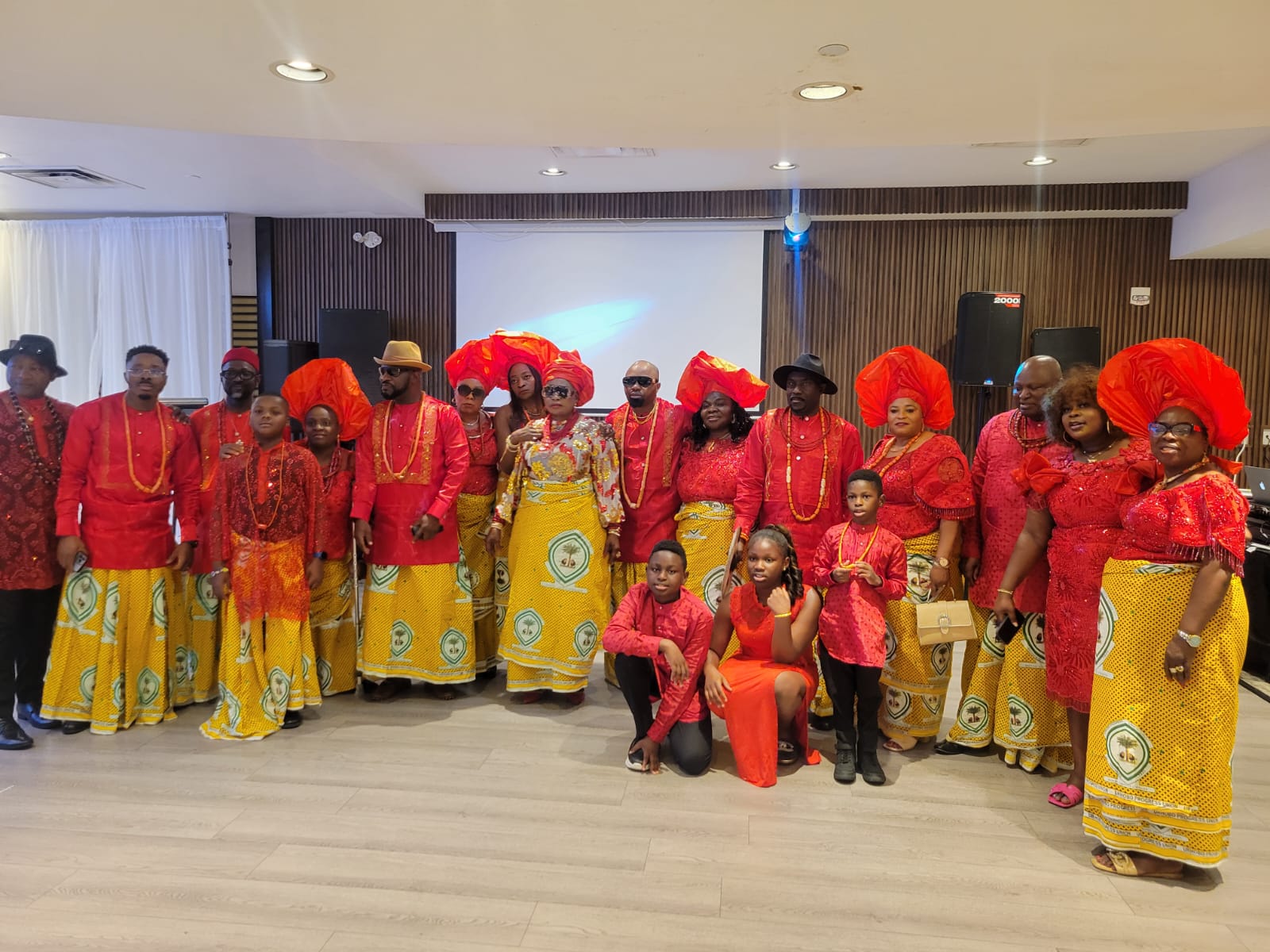
African communities across Canada continue to demonstrate resilience despite these obstacles. Many skilled newcomers pursue additional certifications, volunteer in community organizations, attend training programs, and support one another through networking and mentorship. Some eventually succeed in re-entering their professions, while others create businesses and alternative career paths. Their determination reflects the strength that immigrants consistently bring to Canadian society.
Still, more institutional support could accelerate these journeys. Partnerships between governments, employers, educational institutions, and immigrant-serving organizations could help bridge the gap between foreign experience and Canadian opportunity.
Canada’s multicultural identity is strengthened not simply by welcoming newcomers, but by allowing them to thrive. Skilled refugees represent potential, experience, and ambition. When barriers prevent them from contributing fully, everyone loses. But when opportunities are created, communities grow stronger, economies benefit, and the Canadian promise of inclusion becomes more meaningful.
The conversation is no longer only about accepting refugees. It is also about recognizing their value, investing in their potential, and ensuring that talent does not go unnoticed simply because it arrived through difficult circumstances.









Leave a Reply