

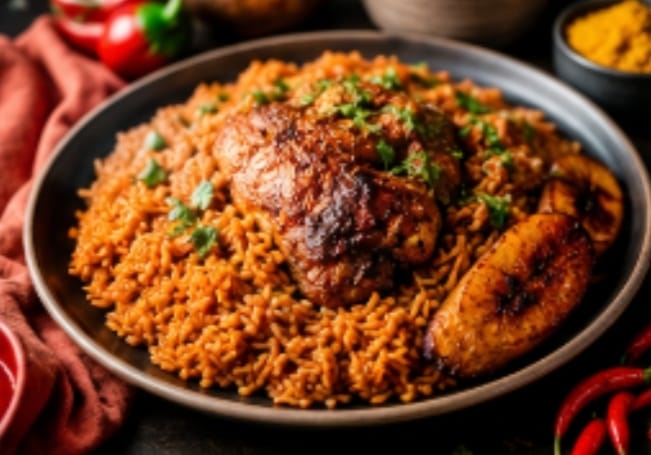
For many years, African food in Canada existed mostly within immigrant homes, small community gatherings, and hidden neighborhood restaurants known mainly by Africans themselves. Today, however, that reality is rapidly changing. Across cities like Toronto, African cuisine is moving steadily into mainstream Canadian culture.
From Nigerian jollof rice and Ghanaian waakye to Ethiopian injera, Somali rice dishes, South African braai, and North African couscous, Canadians from different backgrounds are increasingly exploring and embracing African flavors. What was once unfamiliar is now becoming trendy, celebrated, and commercially successful.
The growth is visible everywhere.
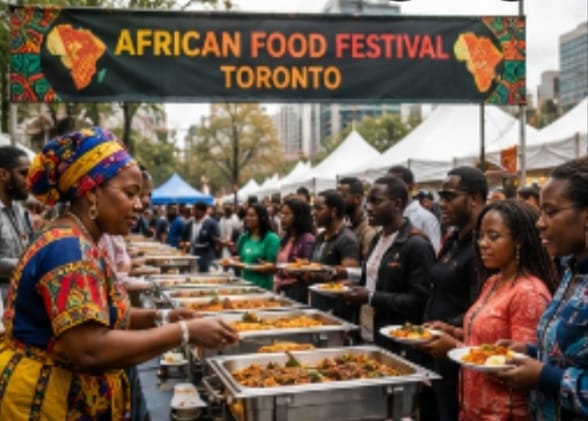
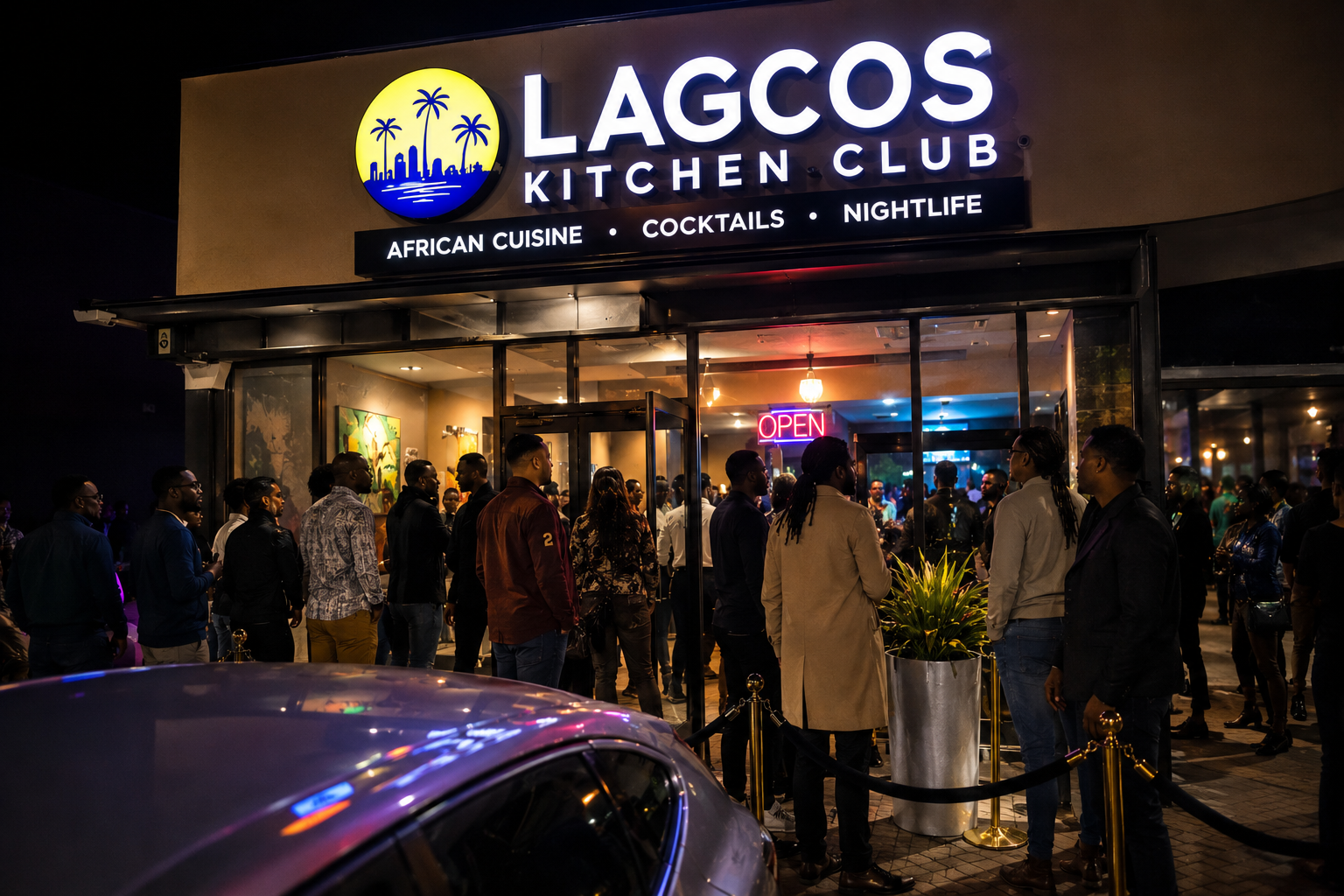
African restaurants are expanding into major commercial areas. African food vendors appear regularly at multicultural festivals and street markets. Food bloggers and social media influencers showcase African meals online, attracting millions of views. Even grocery stores now stock African ingredients that were once difficult to find outside diaspora communities.
One major reason for this rise is Canada’s multicultural identity. Canadians are generally open to exploring international cuisines, and younger generations especially enjoy discovering bold flavors and cultural experiences through food. African cuisine offers exactly that, rich spices, unique cooking traditions, vibrant presentation, and strong communal dining culture.
Social media has also played a powerful role. Platforms like TikTok, Instagram, and YouTube have transformed African food into visual entertainment. Cooking videos featuring jollof rice competitions, suya preparation, puff-puff recipes, fufu challenges, and African street food experiences attract global audiences daily. Many non-Africans are now trying African dishes for the first time after seeing them online.
The “jollof wars” between Nigerians and Ghanaians have even become humorous international conversations that introduce millions of people to West African cuisine.
Beyond trends, food carries something deeper: identity.
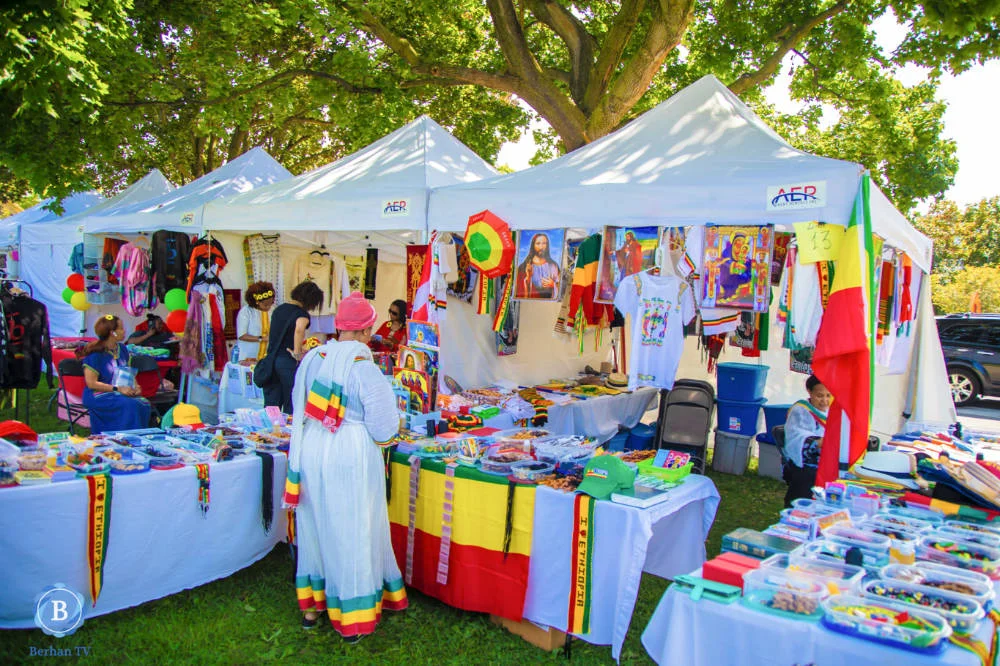
For African immigrants and refugees, food often becomes one of the strongest emotional connections to home. A plate of egusi soup, injera, pepper soup, or nyama choma can bring comfort, memory, and belonging in unfamiliar environments. African restaurants abroad therefore serve not only meals, but also culture, nostalgia, and community.
The rise of African cuisine has also created major business opportunities. Across Canada, African entrepreneurs are opening restaurants, catering services, food trucks, bakeries, grocery stores, and delivery businesses. These businesses create employment, strengthen local economies, and increase visibility for African culture within Canadian society.
Food festivals and cultural events now regularly feature African dishes as highlights rather than side attractions. At multicultural gatherings, long lines often form around African food stalls as people eagerly try dishes they previously knew little about.
Importantly, African cuisine is also challenging stereotypes. For years, African culture was sometimes poorly represented internationally. Today, food is helping reshape perceptions by showcasing creativity, sophistication, hospitality, and diversity. Africa is not a single culture, and neither is its cuisine. The continent’s culinary diversity reflects hundreds of ethnic traditions, histories, climates, and cooking styles.
Younger African Canadians are also embracing this moment proudly. Many second-generation Africans who once felt pressure to hide traditional lunches at school now celebrate African meals openly among friends and colleagues. What was once misunderstood is increasingly becoming fashionable and respected.
Still, the popularity of African food also raises important conversations about authenticity and ownership. As African cuisine becomes commercialized globally, many believe African chefs, businesses, and communities should remain central beneficiaries of its success and recognition.

What remains undeniable is this: African food is no longer hidden.
From upscale restaurants to food trucks, from TikTok trends to downtown festivals, African cuisine is becoming part of Canada’s evolving cultural identity. Through food, African communities are sharing stories, preserving heritage, building businesses, and bringing people together one plate at a time.
And in many ways, Canada is developing a taste for Africa.








Leave a Reply