


How Afrobeat Is Reshaping Youth Culture in Canada
Over the past decade, Afrobeat music has evolved from a regional African sound into a global cultural movement. Today, its influence can be felt everywhere, from clubs and festivals to fashion, dance trends, social media, and mainstream entertainment. In Canada, especially in cities like Toronto, Afrobeat is no longer simply “African music.” It has become part of youth culture itself.
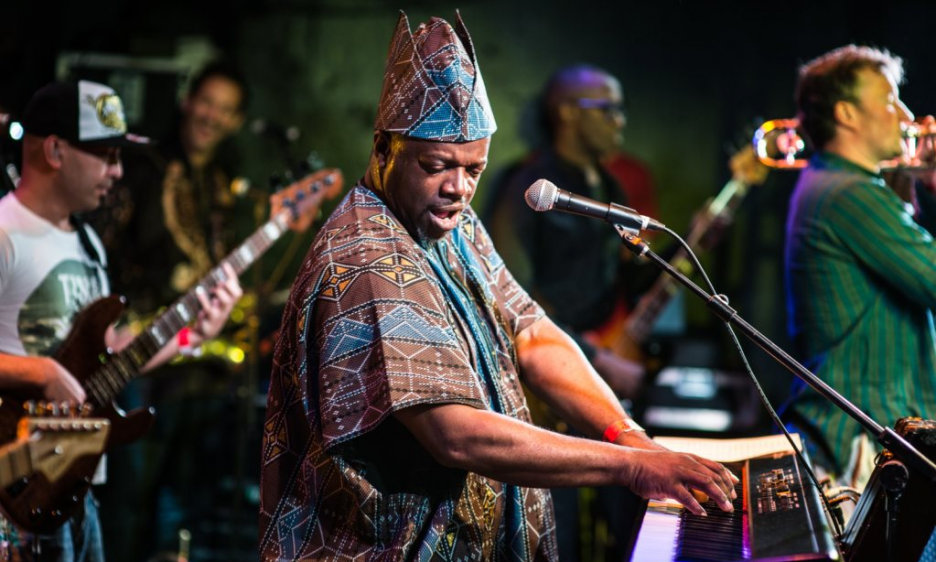
What once existed mainly within African immigrant communities now attracts audiences from every background. Young Canadians of different cultures dance to songs by African artists, imitate Afro-inspired dance moves on social media, attend African-themed events, and proudly incorporate Afrobeat fashion and slang into everyday life. The sound has crossed borders and generations.
Artists such as Burna Boy, Wizkid, Davido, Tems, and Rema have helped push African music into international mainstream spaces. Their sold-out concerts, collaborations with global stars, streaming success, and award recognition have elevated African entertainment to unprecedented levels.
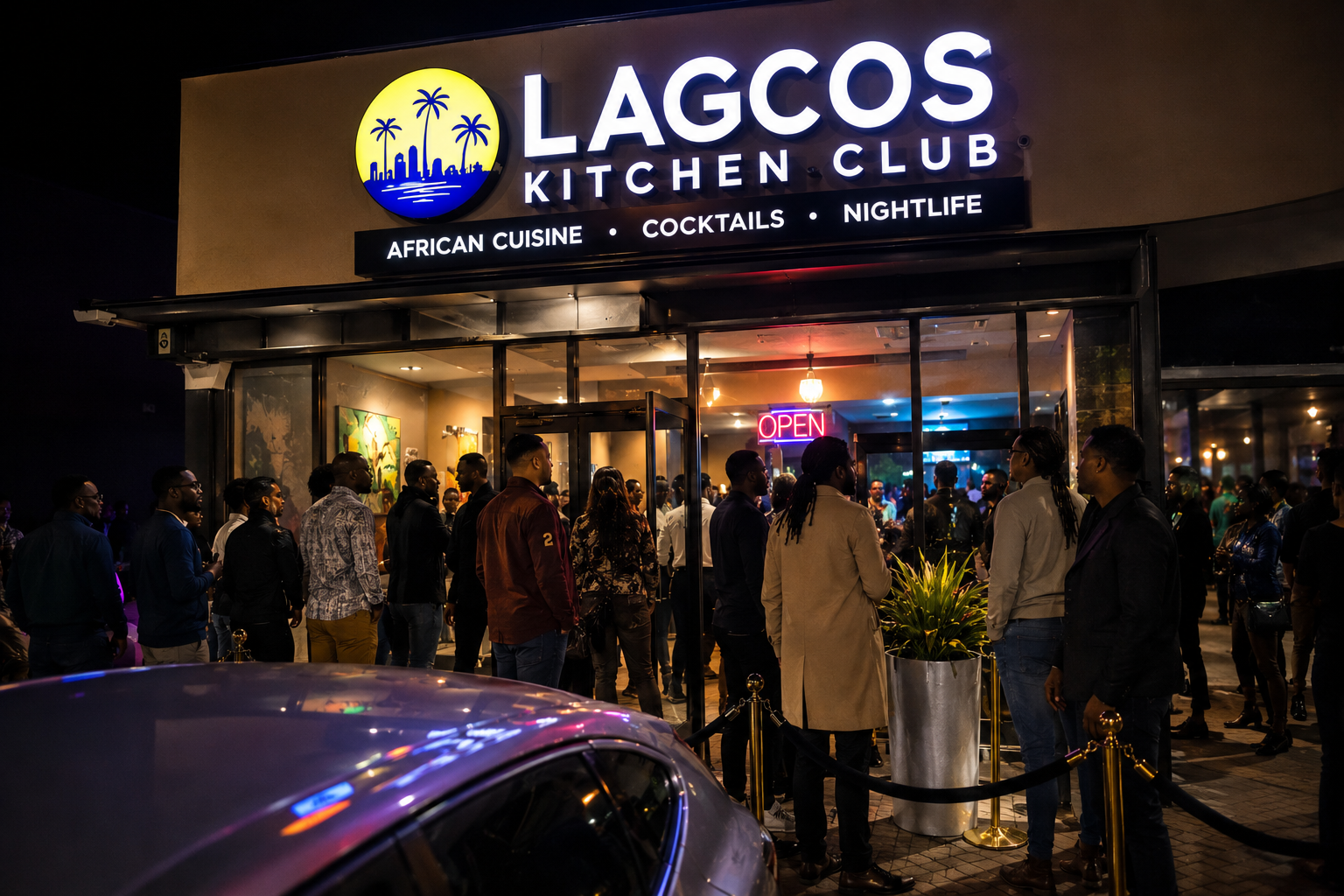
In Canada, the impact extends beyond music. Afrobeat has become a cultural bridge connecting African immigrants, Black Canadians, Caribbean communities, and multicultural youth. At universities, parties, lounges, weddings, festivals, and nightlife events, Afrobeat now plays alongside hip-hop, dancehall, amapiano, and mainstream pop music.
Social media has accelerated this growth dramatically. Platforms like TikTok and Instagram have helped Afrobeat songs travel quickly through dance challenges, viral clips, influencer content, and youth trends. A catchy African song released in Lagos today can become popular among teenagers in Toronto within days.
Fashion has also evolved alongside the music.
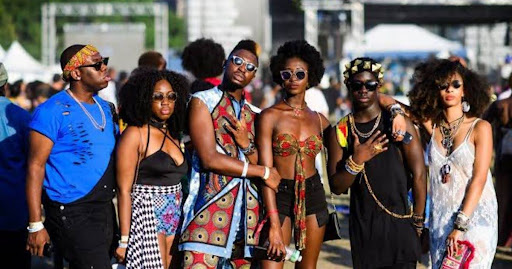
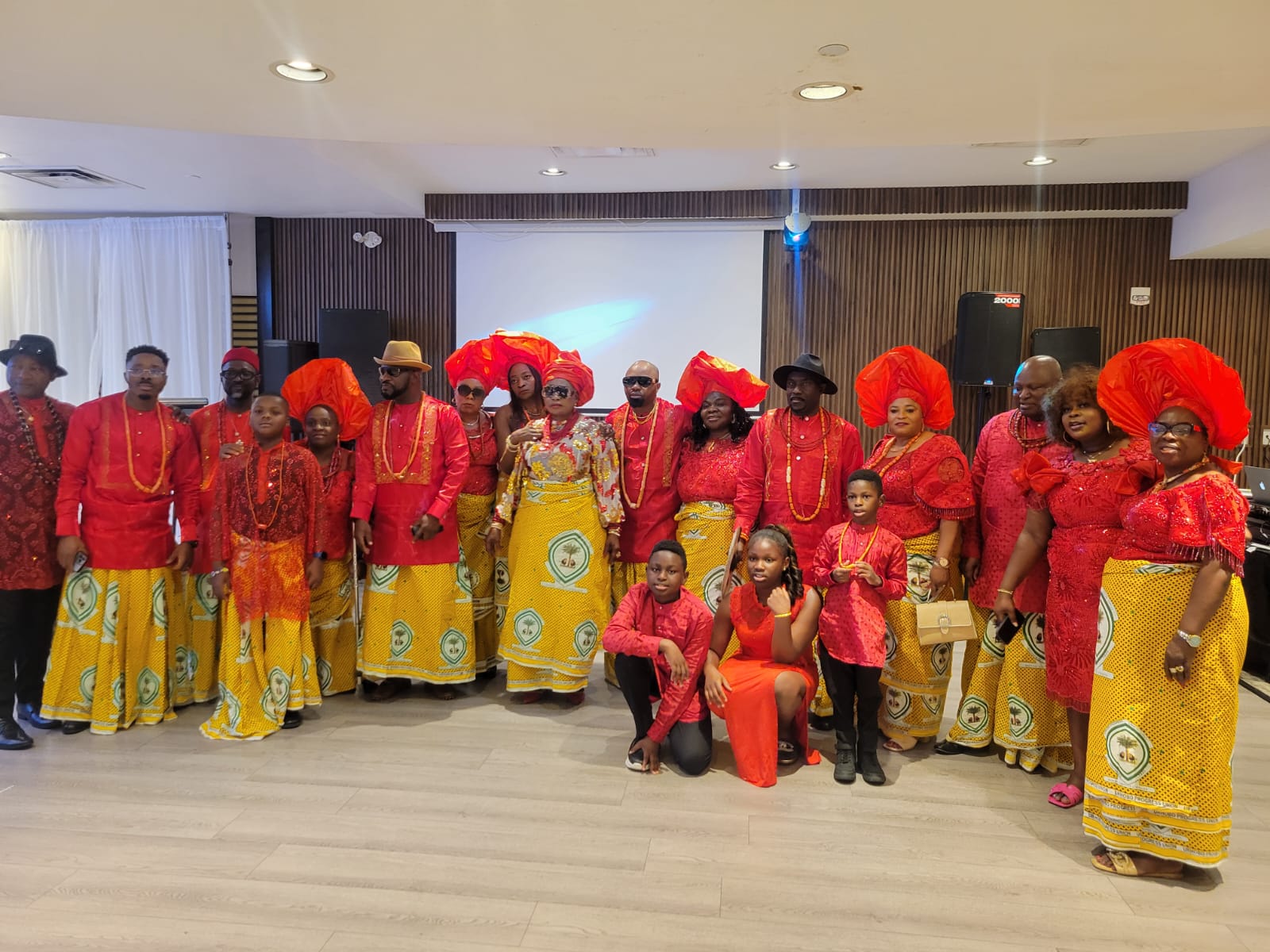
Afrobeat culture promotes bold self-expression through African-inspired streetwear, Ankara designs, luxury fashion, jewelry, hairstyles, and creative visuals. Young Africans abroad increasingly embrace their heritage confidently rather than hiding it to fit into Western expectations. African identity is becoming fashionable, celebrated, and influential.
This cultural visibility matters deeply for many African immigrants and second-generation Africans growing up abroad. For years, African culture was sometimes misunderstood or underrepresented in Western entertainment spaces. Today, Afrobeat has helped shift perceptions by showcasing creativity, confidence, rhythm, and global influence.
The rise of Afrobeat has also created economic opportunities. African DJs, event organizers, dancers, fashion designers, videographers, promoters, restaurant owners, and content creators in Canada are benefiting from growing demand for African entertainment and culture. Afrobeat events now attract thousands of attendees across major Canadian cities.

Beyond entertainment, Afrobeat has become a symbol of cultural pride.
Young Africans in Canada increasingly see themselves represented globally through music and media. This representation strengthens identity and encourages cultural preservation among diaspora communities. Rather than distancing themselves from African roots, many youths are proudly embracing them.
Still, the growth of Afrobeat also comes with responsibility. As African culture becomes commercially popular, there is an ongoing conversation about authenticity, ownership, and respect for the roots of the music. Many believe African artists and communities should continue receiving proper recognition and economic benefit from the global success of Afrobeat culture.
What remains undeniable, however, is that Afrobeat has changed the cultural landscape.
From Toronto clubs to university campuses, from TikTok trends to international festivals, African music is shaping conversations, influencing identity, and redefining global youth culture. What began as a sound from the continent has become a worldwide movement, and Canada is dancing along with it.






Leave a Reply