

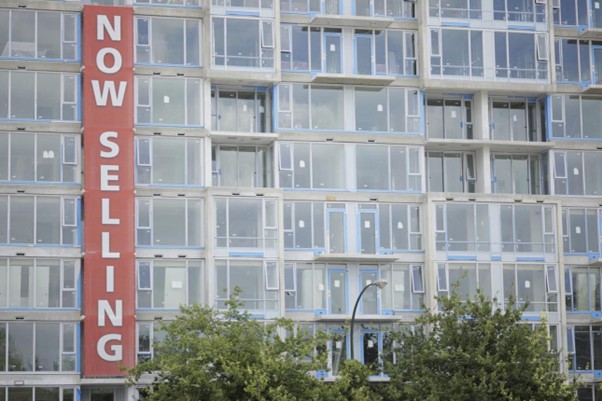
When 32-year-old Grace Wanjiku arrived in Toronto in late 2024, she carried more than luggage, she carried expectation. A trained early childhood educator from Nairobi, she believed Canada would offer stability and opportunity.
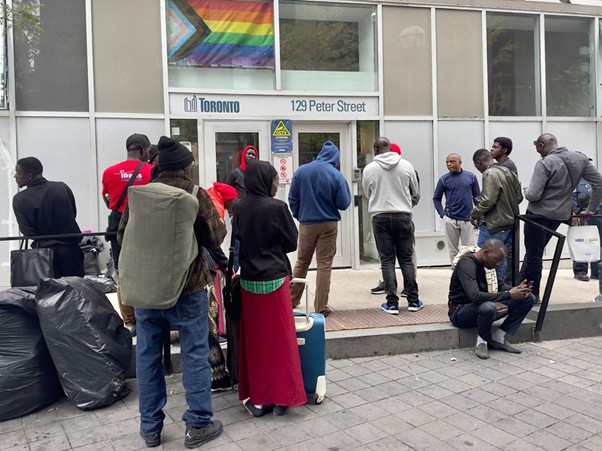
Instead, she found herself sharing a two-bedroom apartment in Scarborough with another family of four. “We take turns using the kitchen. Privacy is almost impossible,” she said. “But rent is too high, we don’t have a choice.”
Grace’s story is increasingly common among African and Black newcomers navigating Canada’s deepening housing crisis.
Skyrocketing Rents, Shrinking Options

Across major cities like Toronto, Vancouver, and Calgary, rental prices have surged to record highs. A one-bedroom apartment in Toronto now averages well over $2,000 monthly, far beyond the reach of many newcomers still finding their footing in the labour market.
For Nigerian newcomer Chinedu Okafor, who arrived from Lagos as an international student, the reality was immediate. “I spent weeks searching. Landlords wanted credit history, job letters, everything I didn’t yet have,” he explained. He eventually secured a shared basement apartment, paying nearly $1,000 for a single room.
Systemic Barriers Facing Black Newcomers
Housing advocates say African and Black immigrants often face layered challenges:
- Lack of Canadian credit history
- Employment instability in early settlement stages
- Subtle discrimination in rental processes
Organizations like the Canadian Housing Evidence Collaborative have highlighted how newcomers are disproportionately affected by affordability pressures. “There’s a structural gap,” said a Toronto-based housing advocate. “Even when people can pay, they’re often screened out.”
From Survival Jobs to Housing Strain

Many newcomers take on survival jobs, ride-hailing, warehouse work, or multiple part-time roles, to cover rent. But even full-time employment is often not enough.
Ethiopian-born settlement worker Mekdes Alem, based in Toronto, says she sees families spending over 60% of their income on housing. “That leaves very little for food, transportation, or savings,” she noted. “It slows integration and increases stress.”
Policy Pressure and Growing Concerns
In Ottawa, policymakers are under increasing pressure to address affordability. The federal government has pledged billions toward housing development, but critics argue supply is not keeping pace with population growth, driven in part by immigration targets. While immigration remains vital to Canada’s economy, experts warn that housing shortages risk undermining its long-term benefits.
A Dream Deferred, Not Denied

For many African newcomers, the housing crisis is a harsh introduction to life in Canada, but not the end of the journey. “I still believe in why I came here,” said Grace Wanjiku. “It’s just harder than I expected.”
Canafricana Insight
Canada’s housing crisis is more than an economic issue, it is a test of inclusion. African and Black newcomers are essential to the country’s workforce, culture, and growth. Yet, without access to affordable housing, their ability to fully contribute is constrained. As Canada looks to the future, one question looms large: Can the promise of opportunity remain real if the cost of living puts it out of reach?





Leave a Reply