


A quiet but powerful economic shift is underway in Canada, driven by a surge in trade between Canada and African nations, and at the center of it are Black entrepreneurs transforming opportunity into measurable economic value.

From logistics hubs in Toronto to small business storefronts in Montreal, African diaspora business owners are building cross-continental enterprises that are not only connecting markets but also strengthening Canada’s domestic economy.
Diaspora Businesses Driving Trade Growth
Across major cities, businesses importing African food products, textiles, cosmetics, and raw materials are expanding rapidly. These ventures are tapping into a growing demand for culturally diverse goods, while also introducing African products to mainstream Canadian consumers. Entrepreneurs like Ethiopian-Canadian founder Selam Tesfaye, who runs an import business sourcing spices and coffee from Addis Ababa, represent a new class of trade facilitators. “We’re not just selling products, we’re building supply chains between two continents,” she said.
Similarly, Nigerian-Canadian logistics operator Emeka Okoye has built a freight company connecting suppliers in Lagos to distributors in Canada. His company now employs over 20 people in the Greater Toronto Area, contributing directly to job creation.
Economic Impact: Jobs, Revenue, and Market Expansion
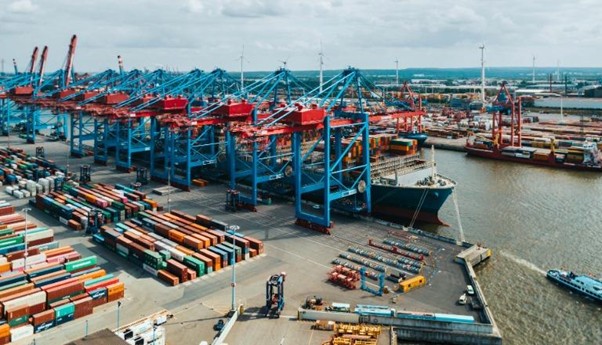
The economic contributions of Black entrepreneurs in Canada’s Africa trade corridor are becoming increasingly significant:
- Job Creation: Small and medium-sized enterprises (SMEs) led by Black founders are employing thousands across retail, logistics, and technology sectors.
- Tax Revenue: Growing businesses are contributing to municipal and federal tax bases.
- Market Diversification: By importing African goods and exporting Canadian services, these entrepreneurs are expanding Canada’s global trade footprint.
Organizations like the Canadian Black Chamber of Commerce say diaspora-led trade is one of the fastest-growing segments of Black economic activity in the country.
Digital Platforms and the Rise of Afro-Global Commerce

Technology is accelerating this growth. Many entrepreneurs are leveraging e-commerce and fintech platforms to bypass traditional barriers and scale quickly. Startups founded by African immigrants are building apps that facilitate cross-border payments, supply chain tracking, and online marketplaces. These innovations are not only supporting trade but also positioning Canada as a hub for Afro-global commerce.
Trade frameworks such as those championed by the African Union are further enabling smoother business interactions, making it easier for Canadian-based entrepreneurs to access African markets.
Challenges Persist Despite Growth
Despite the momentum, barriers remain. Access to capital continues to be a major hurdle, with many Black entrepreneurs reporting difficulties securing loans or investment. Regulatory complexities and shipping costs also pose challenges.
“There’s demand, there’s opportunity, but financing is still a major bottleneck,” said a Toronto-based business consultant working with African startups.
A Strategic Opportunity for Canada

As global trade patterns evolve, experts argue that Canada stands to benefit significantly from strengthening its economic ties with Africa, a continent projected to be one of the fastest-growing markets in the world. Black entrepreneurs, with their cultural knowledge, networks, and lived experience, are uniquely positioned to lead this expansion.
A Growing Force in Canada’s Economic Future
The rise in Canada–Africa trade is more than a business trend; it is a redefinition of economic participation. Black entrepreneurs are not just contributing at the margins; they are building companies, creating jobs, and expanding Canada’s reach in the global marketplace.
For a country that prides itself on diversity and inclusion, this moment presents a clear opportunity: to recognize, support, and scale the impact of Black-led enterprises shaping the future of trade. For Canafricana, the message is clear, Africa is not just a partner in trade; it is a pathway to shared prosperity, driven by the ingenuity of its diaspora.














Leave a Reply