

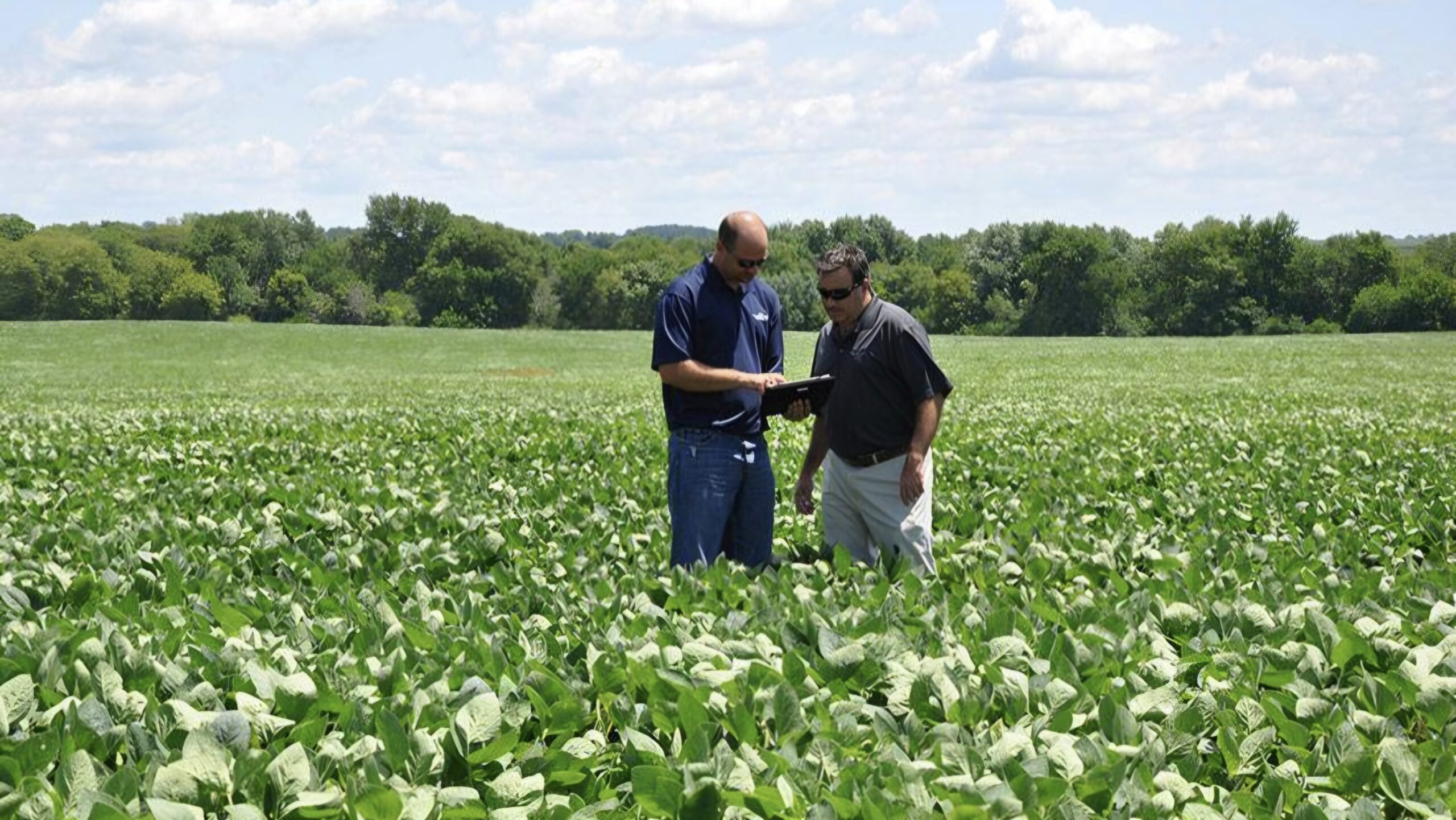
A worsening fertiliser shortage in the United States is no longer just a domestic agricultural issue, it is fast becoming a global crisis with far-reaching consequences for food systems, economies, and vulnerable populations across continents.
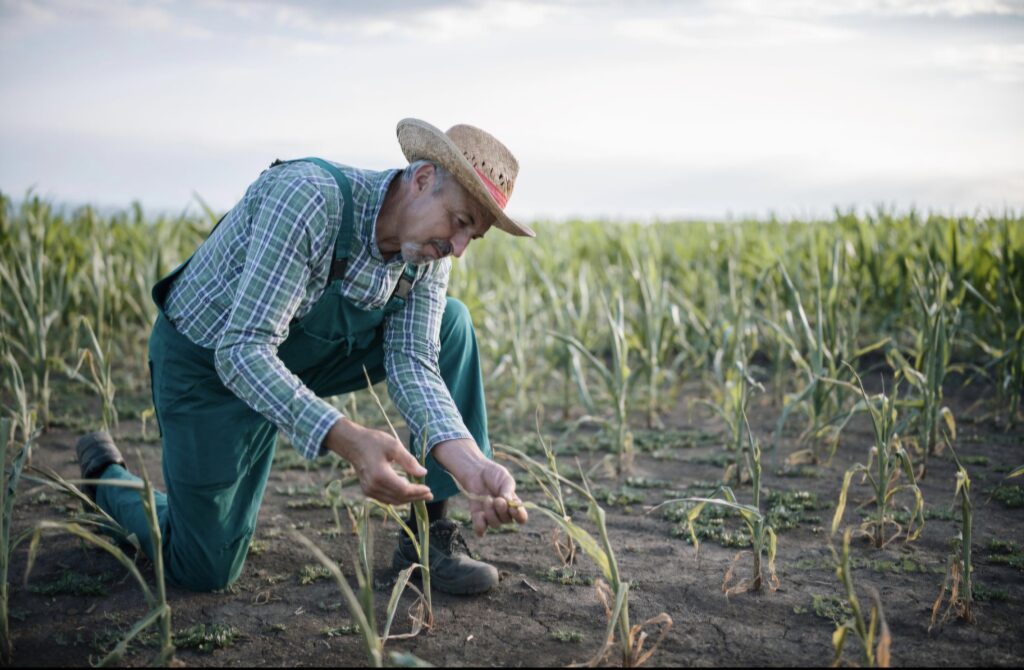
Driven by supply chain disruptions, rising energy costs, and geopolitical tensions affecting key export routes, the shortage is forcing farmers to rethink planting strategies, reduce output, and brace for uncertain harvests. Experts warn that the full impact may not be felt immediately, but when it does, it could reshape global food security for years.
The Roots of the Crisis
Fertilisers, particularly nitrogen, phosphorus, and potassium-based products, are essential to modern agriculture. However, their production depends heavily on natural gas and stable global logistics networks.
Recent disruptions in major shipping corridors, especially those tied to Middle Eastern exports, have tightened supply and pushed prices sharply upward. Industry observers estimate fertiliser costs have surged between 30 and 70 percent since the start of 2026, placing immense strain on farmers already grappling with inflation and climate variability.
In the United States, many farmers are scaling back fertiliser use or switching to less nutrient-intensive crops such as soybeans. While this may reduce immediate costs, it also lowers crop yields, setting the stage for reduced food supply in the near future.
Canada: Rising Costs, Tough Choices
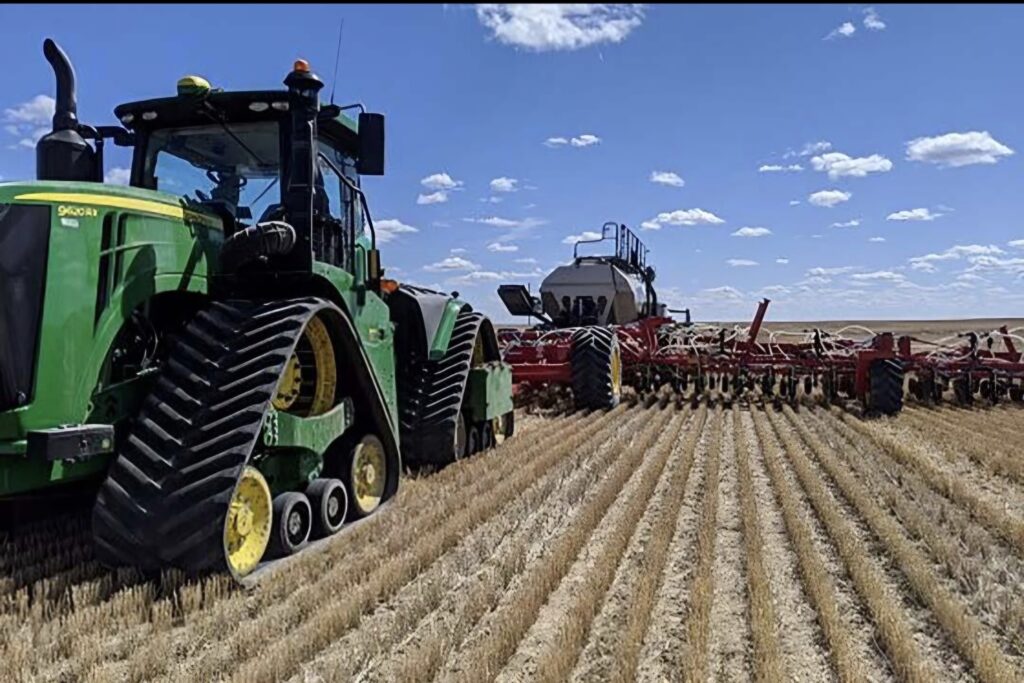
Canada’s agricultural sector, closely linked to that of the United States, is feeling the ripple effects. Farmers in key producing regions such as Saskatchewan and Alberta are facing rising fertiliser costs and tightening supply. Despite being one of the world’s leading producers of potash, Canada still relies on global markets for nitrogen-based fertilisers leaving it vulnerable to international price shocks.
For many Canadian farmers, the choices are stark: absorb higher input costs, reduce fertiliser usage, or pass the burden on to consumers. Early signs suggest the latter may be inevitable, with analysts predicting increases in the price of staple foods such as bread, meat, and dairy. For immigrant and low-income households, already dealing with high living costs, this could deepen financial strain.
Africa: A Growing Food Security Emergency
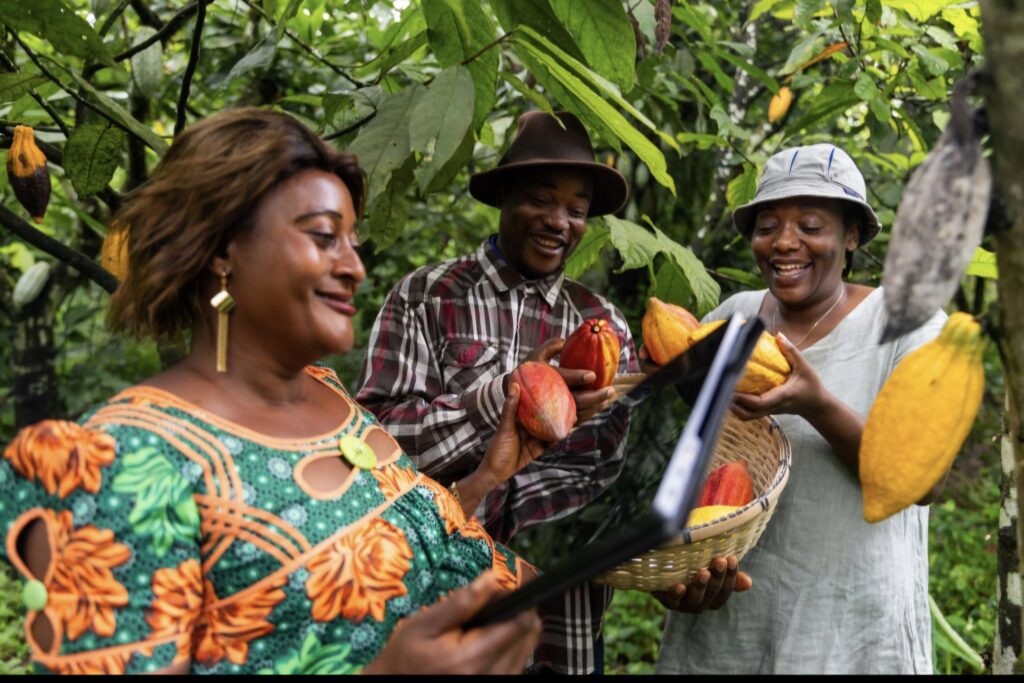
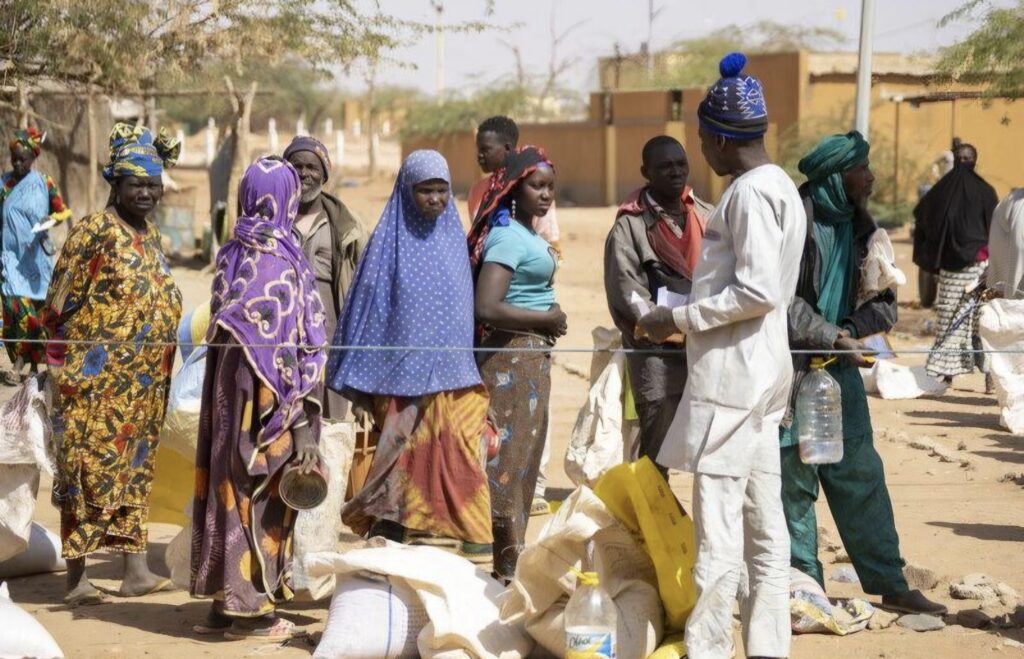
Nowhere is the crisis more alarming than in Africa, where many countries depend heavily on imported fertilisers. As global prices surge and supply tightens, access is becoming increasingly limited, particularly for smallholder farmers.
In countries like Nigeria, Kenya, and Côte d’Ivoire, fertiliser use has dropped sharply. Farmers are planting with little or no nutrient support, raising fears of significantly reduced harvests for staple crops such as maize and rice, as well as cash crops like cocoa.
The implications are profound. Reduced yields could trigger a chain reaction: rising food prices, increased hunger, and heightened economic instability. For millions of households already living on the edge, even a modest drop in agricultural output could have devastating consequences.
Global Fallout: Inflation and Inequality
The fertiliser shortage highlights the fragile interconnectedness of global food systems. A disruption in one region quickly cascades into a worldwide problem, affecting everything from farm output to supermarket prices.
Economists warn that rising fertiliser costs are contributing to broader inflationary pressures, particularly in food markets. Developing nations, already vulnerable to price shocks, are expected to be hit hardest.
There are also growing concerns about inequality. Wealthier countries are better positioned to secure limited fertiliser supplies, while poorer nations risk being left behind, widening the gap in agricultural productivity and food access.
What Comes Next
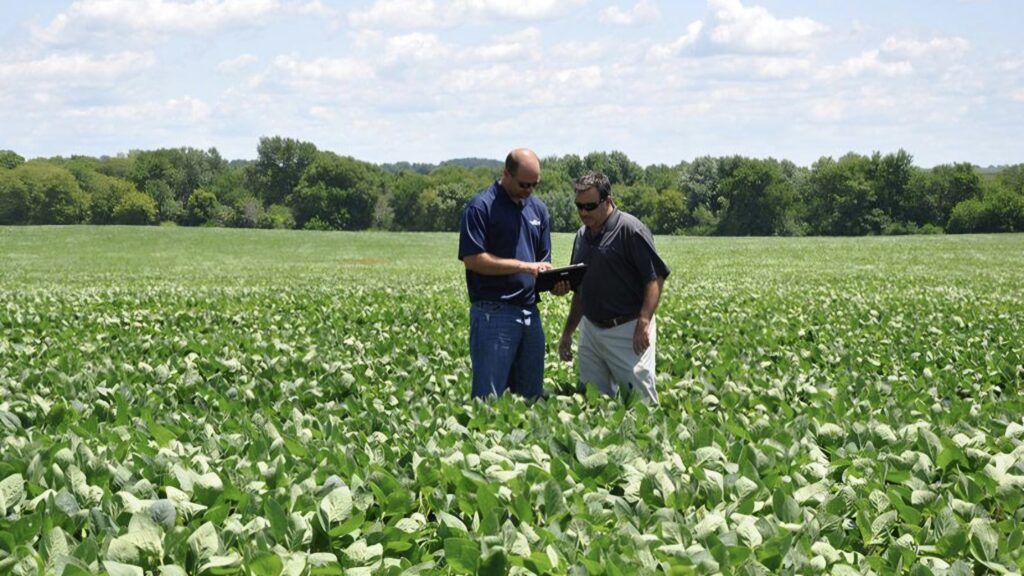
Experts caution that the most severe consequences of the fertiliser shortage may still lie ahead. Reduced application today often translates into lower yields in future harvests, meaning the global food system could face tighter supplies well into 2027.
Governments and international organisations are being urged to act swiftly, through subsidies, investment in local fertiliser production, and support for sustainable farming practices that reduce reliance on chemical inputs.
For Canada, the challenge will be managing rising food prices and supporting farmers through the transition. For Africa, the stakes are far higher: safeguarding food security and protecting millions of livelihoods.
A Shared Global Responsibility
The unfolding fertiliser crisis is a stark reminder that food security is deeply interconnected. What begins as a supply disruption in one part of the world can quickly evolve into a global emergency.
Without coordinated action, today’s fertiliser shortage could become tomorrow’s food crisis, impacting not just farmers, but every household, from Toronto to Lagos. As the world navigates this growing challenge, one truth is clear: the stability of our food systems depends on collective, global solutions.













Leave a Reply