


A new healthcare policy has come into effect today requiring some refugees in Canada to begin contributing toward portions of their medical expenses, a shift that is already raising concern among advocacy groups and immigrant communities.
The policy, implemented by the federal government through Immigration, Refugees and Citizenship Canada in collaboration with Health Canada, marks a departure from the long-standing model where government-funded programs covered most essential healthcare needs for refugees during their initial settlement period.
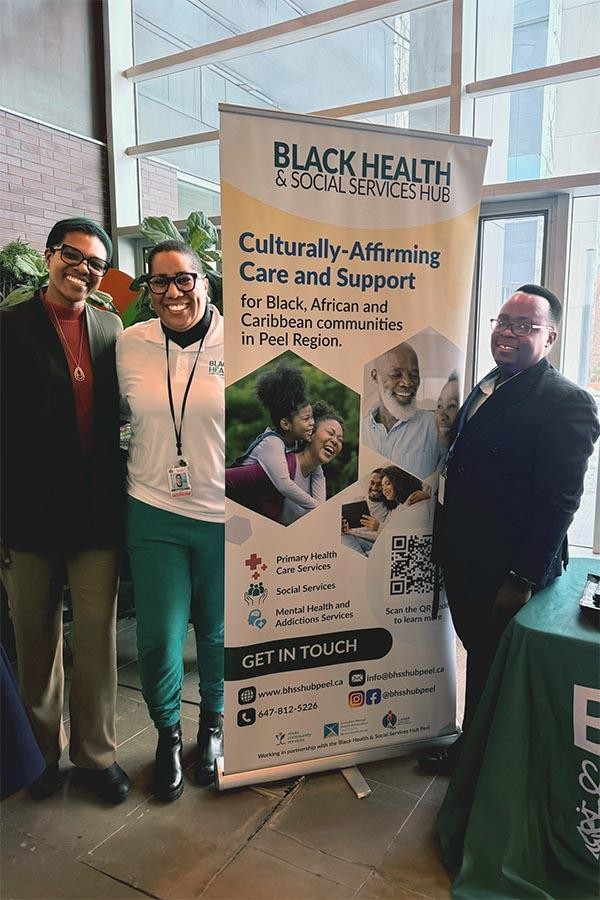
A SHIFT IN CANADA’S REFUGEE SUPPORT MODEL
Under previous frameworks such as the Interim Federal Health Program (IFHP), refugees, particularly government-assisted and privately sponsored individuals, received comprehensive or near-comprehensive health coverage upon arrival.
The new cost-sharing approach introduces partial payments for certain medical services, though details on coverage levels and exemptions vary depending on refugee status, province, and individual circumstances.
Government officials say the policy is designed to: Improve sustainability of healthcare funding, align refugee benefits more closely with broader public systems and encourage gradual integration into provincial healthcare structures.
IMPACT ON BLACK REFUGEES AND IMMIGRANTS
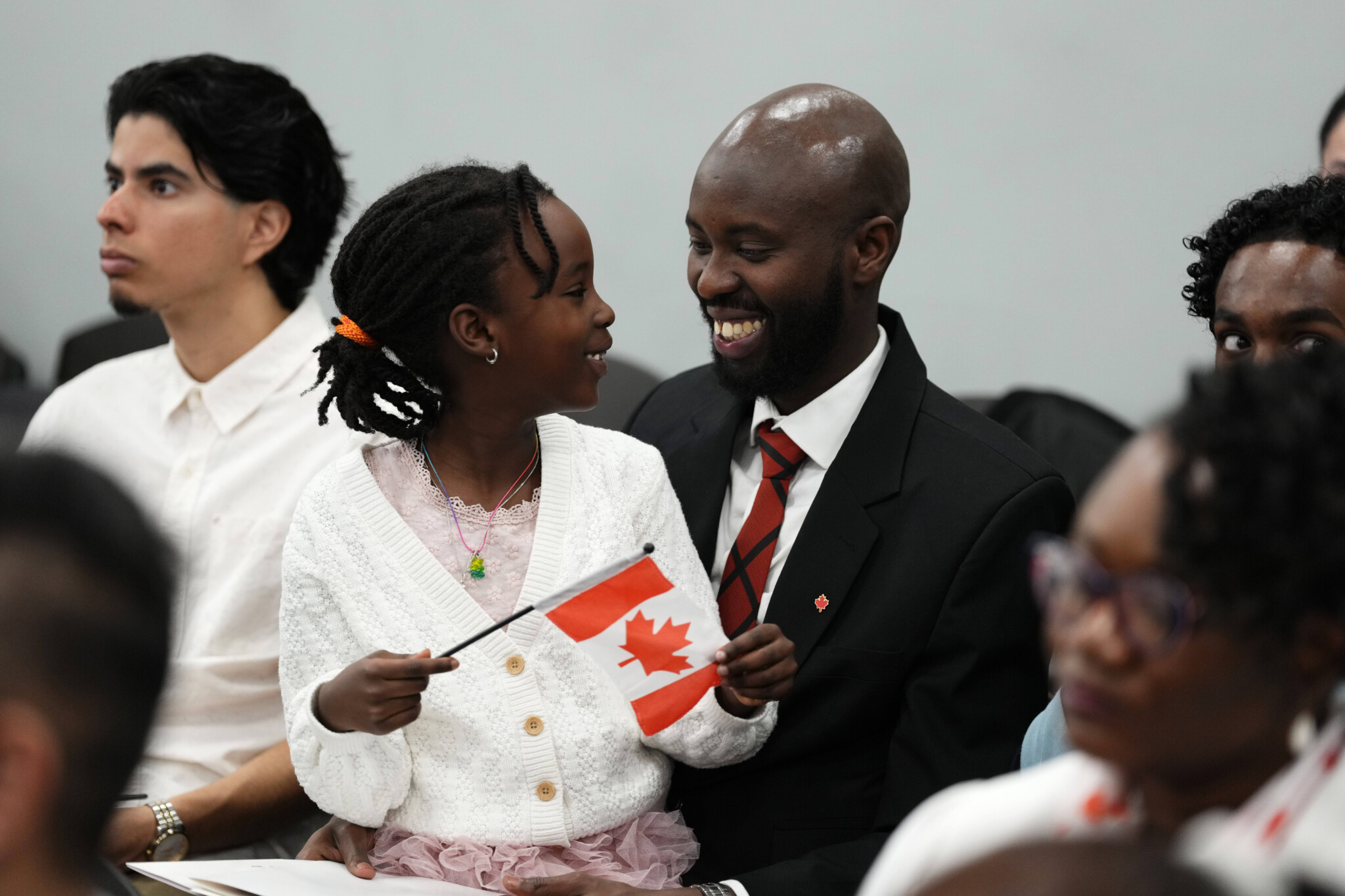
For many Black refugees arriving from regions affected by conflict and economic hardship, such as parts of Sub-Saharan Africa and the Caribbean, the change carries significant implications.
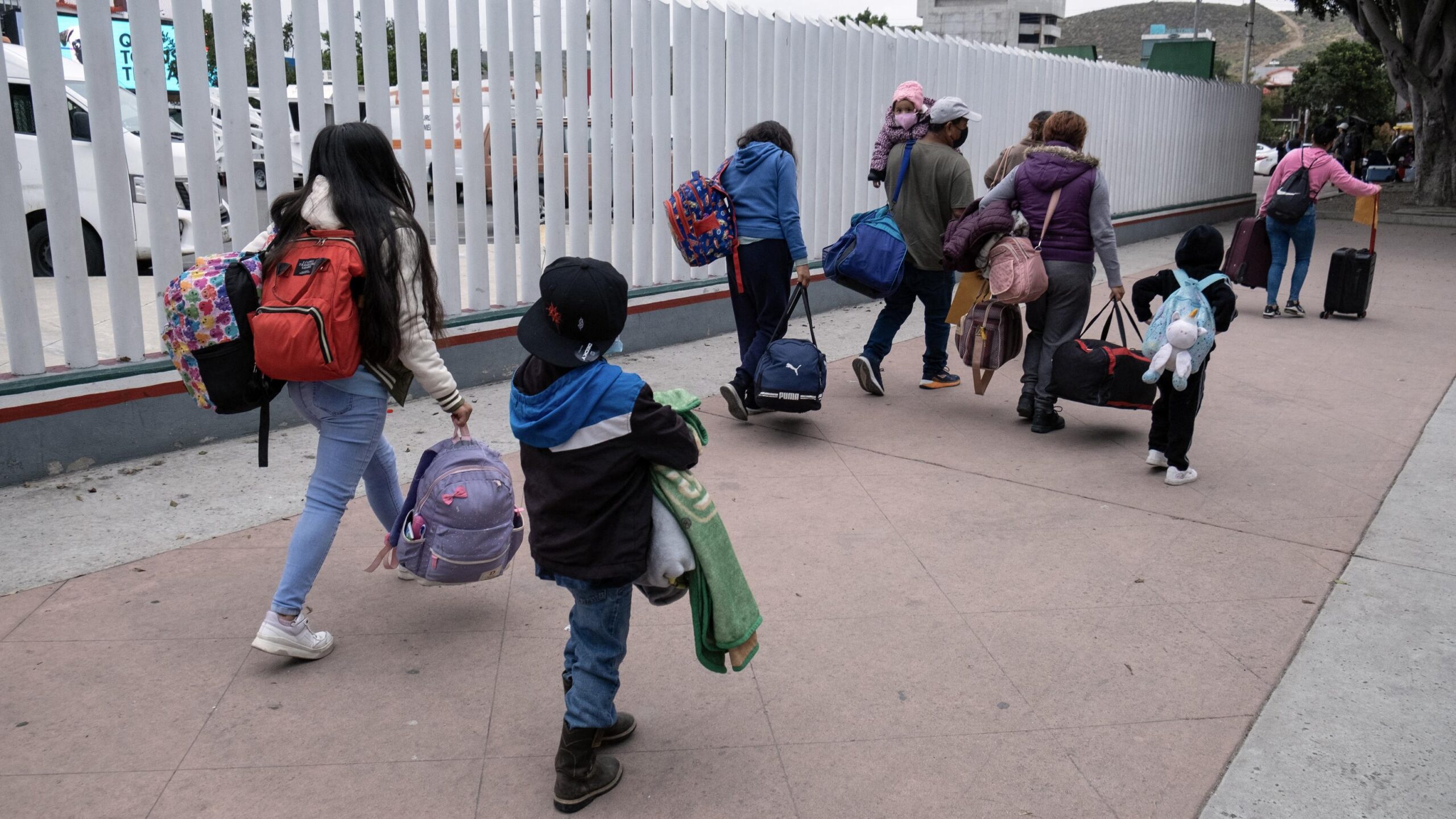
Unlike other newcomer groups, refugees often arrive with limited financial resources, higher immediate healthcare needs, including trauma care and also barriers to employment and income stability
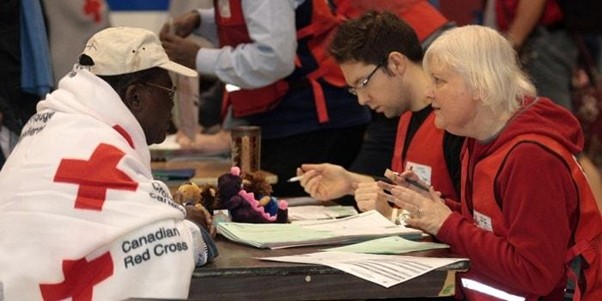
Advocates warn that even minimal out-of-pocket costs could become a serious barrier to accessing care, particularly for families already struggling with housing, employment, and integration challenges.
“Healthcare is often the first line of stability for refugees,” says a Toronto-based community support worker. “Introducing costs at such an early stage may discourage people from seeking care when they need it most.”
CONCERNS OVER ACCESS AND EQUITY
Community organizations across Canada are expressing concern that the policy could deepen existing inequalities.
Black refugees, in particular, may face, systemic barriers in healthcare access, language and cultural challenges and limited awareness of new payment structures. There are also fears that the policy may lead to delayed treatments, increased reliance on emergency services, or worsening health outcomes over time.
GOVERNMENT POSITION AND TRANSITION MEASURES
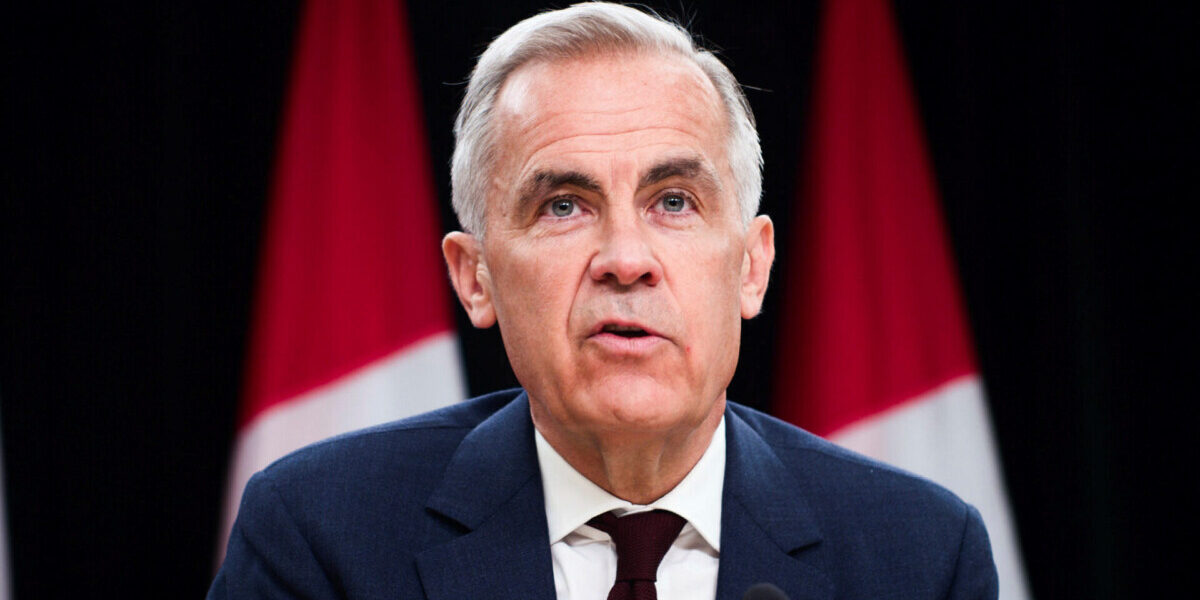
Immigration, Refugees and Citizenship Canada has indicated that safeguards are in place for vulnerable individuals, including potential exemptions for urgent and essential care. However, full clarity on implementation remains a concern among stakeholders. Settlement agencies are now working to educate refugees on the new system, provide guidance on available supports and advocate for clearer communication and protections.
A CRITICAL MOMENT FOR POLICY AND COMPASSION

Canada has long positioned itself as a global leader in refugee protection and humanitarian support. This latest development is testing the balance between fiscal policy and humanitarian responsibility.
For Black refugee communities, the stakes are especially high. Access to healthcare is not just a service, it is a foundation for rebuilding lives, achieving stability, and integrating successfully into Canadian society.
LOOKING AHEAD
As the policy rolls out nationwide, its real impact will unfold in the months ahead. Community leaders and advocates are calling for ongoing monitoring, transparency, and adjustments where necessary.
For now, May 1, 2026 marks a turning point, one that raises critical questions about equity, access, and the future of refugee support in Canada. For CanAfricana readers, the conversation continues: how can Canada uphold its humanitarian values while adapting to new realities and who bears the cost of that balance?









Leave a Reply